Wilgens Sirise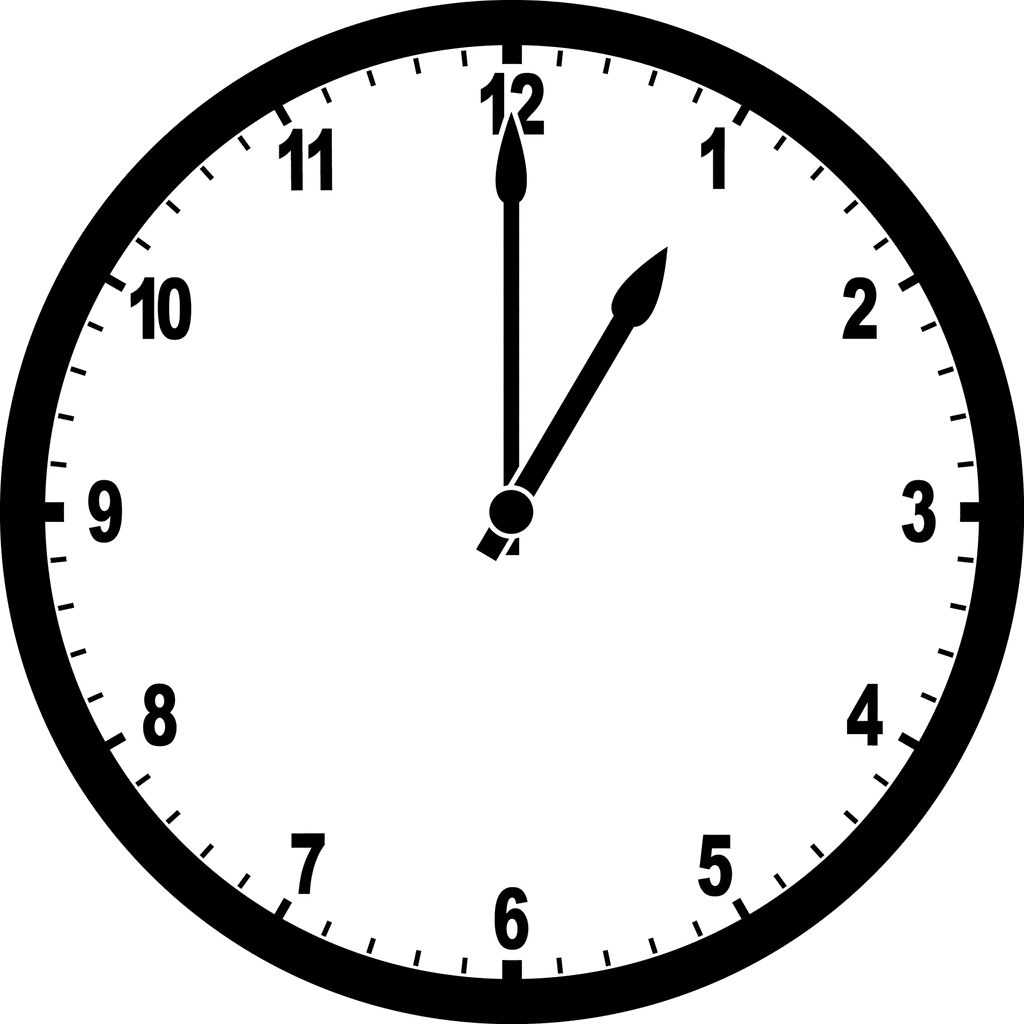
What Time Is It? Understanding Time in Everyday Life
“What time is it?” is one of the most common questions people ask every day. It seems simple, yet time plays a powerful role in how we live, work, and connect with others. From waking up in the morning to going to bed at night, time shapes our routines, decisions, and even our emotions. Understanding what time is—and why it matters—helps us manage our lives more effectively.
At its core, time is a system humans use to measure change and organize events. We divide time into seconds, minutes, hours, days, months, and years. A clock tells us the current hour and minute, while calendars help us track longer periods. When someone asks, “What time is it?”, they are usually asking for the present moment according to a shared standard, such as local time or a specific time zone.
Time zones are important because the Earth is divided into different regions based on its rotation. When it is morning in the United States, it may be afternoon in Europe and night in Asia. This is why asking “What time is it?” often depends on location. In today’s global world—where people work remotely, travel often, and communicate online—knowing the correct time in different places is more important than ever.
Time also affects our daily productivity. Many people schedule their day around time blocks: work hours, lunch breaks, meetings, exercise, and rest. Being aware of time helps us stay organized and meet responsibilities. When we lose track of time, we may feel stressed or rushed. On the other hand, managing time well can bring balance and peace of mind.
Beyond schedules, time has emotional meaning. We associate certain times with memories: childhood moments, special celebrations, or difficult periods. People often say, “Time flies” when they are happy, or “Time moves slowly” when they are bored or sad. This shows that time is not only measured by clocks, but also felt by the human mind.
Technology has changed how we experience time. Smartphones, smartwatches, and computers constantly show the time, making it easy to check it anywhere. Alarms, reminders, and calendars help us stay on track. However, constant notifications can also make us feel like time is always running out. Learning when to disconnect is just as important as knowing the exact time.
In the end, “What time is it?” is more than a simple question. It is a reminder that time is valuable and limited. Every minute counts, and how we use our time shapes our future. By respecting time, planning wisely, and making room for rest and joy, we can live more meaningful and fulfilling lives—one moment at a time.
By.Wilgens Sirise