Wilgens Sirise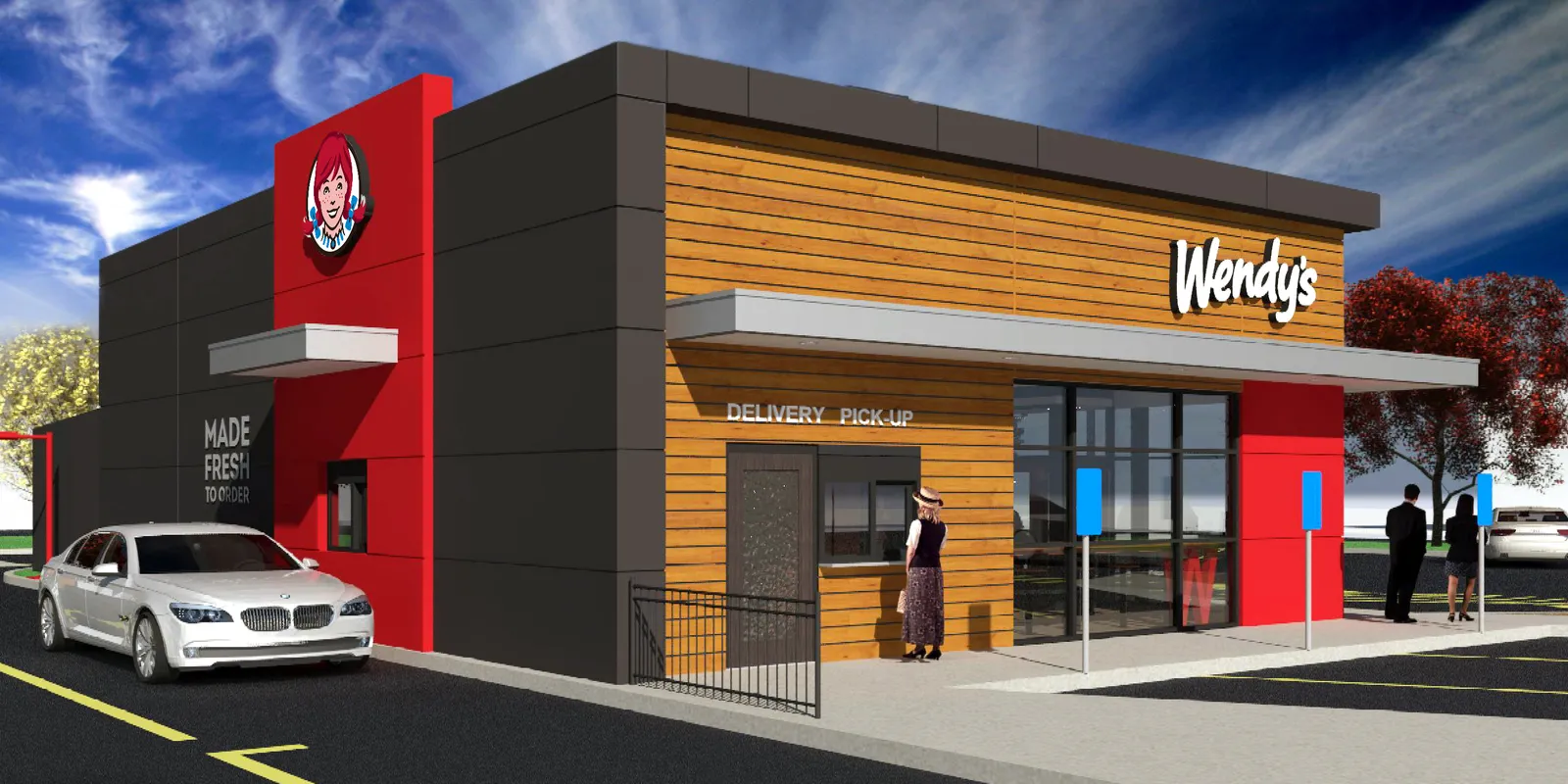
Wendy’s Closures: Why Some Locations Are Shutting Down and What It Means for Customers in 2026
Wendy’s closures have become a trending search topic on Google as customers across the United States notice certain locations shutting down. While the fast-food giant is not going out of business, the company is making strategic changes to modernize its operations, improve profitability, and focus on high-performing restaurants. Here’s everything you need to know about the recent Wendy’s closures, why they’re happening, and what it means for the future of the brand.
Why Are Some Wendy’s Locations Closing?
The main reason behind recent closures is performance. Wendy’s has confirmed that some older or underperforming restaurants are being closed as part of a long-term optimization strategy. Many of these locations generate low sales, have outdated designs, or are in areas where customer traffic has declined.
According to the company’s official investor updates, Wendy’s plans to close weaker locations while opening new, more modern restaurants in better markets.
Official company information:
https://www.wendys.com
Investor relations and business strategy:
https://investors.wendys.com
This strategy allows the company to shift resources toward restaurants that can deliver stronger revenue and better customer experience.
Not a Shutdown — A Business Upgrade
Despite the closures, Wendy’s is actually expanding overall. The company continues to open hundreds of new restaurants globally, especially with modern features such as:
- Digital ordering kiosks
- Mobile app pickup
- Drive-thru optimization
- Delivery partnerships
News coverage of the restructuring:
https://www.cnbc.com
https://www.businessinsider.com
https://www.usatoday.com
Many closures involve older buildings that no longer meet current operational standards. Instead of renovating every location, the company often chooses to close and reopen in a better nearby area.

Economic Pressures Behind the Decision
Like many restaurant chains, Wendy’s is facing rising costs, including:
- Higher labor wages
- Increased food prices
- Rent and operational expenses
- Changing customer habits
Industry trends affecting fast food:
https://www.restaurantbusinessonline.com
https://www.qsrmagazine.com
Customers are also ordering differently than before, with more people using apps, delivery services, and drive-thru instead of dining inside. Older locations that can’t adapt to these trends are more likely to close.
Which Locations Are Closing?
Closures are happening selectively across different states rather than nationwide shutdowns. Most affected locations are:
- Low-performing franchises
- Older buildings
- Restaurants in declining retail areas
To check if a location near you is still open, use Wendy’s official restaurant locator:
https://locations.wendys.com
Local news outlets often report specific closures by city or state.
What This Means for Customers
For customers, the closures may mean fewer locations in certain neighborhoods. However, many areas will see newer, upgraded Wendy’s restaurants opening with faster service and improved technology.
The company is also investing heavily in its mobile app and rewards program:
https://www.wendys.com/rewards
These changes reflect a broader shift in the fast-food industry toward convenience, automation, and digital ordering.
The Future of Wendy’s
Overall, Wendy’s closures are part of a modernization strategy rather than a sign of financial trouble. The brand continues to grow globally and remains one of the top fast-food chains in the U.S.
Latest company news:
https://news.wendys.com
For customers and investors alike, the key takeaway is clear: Wendy’s is not shrinking — it’s evolving.