Wilgens Sirise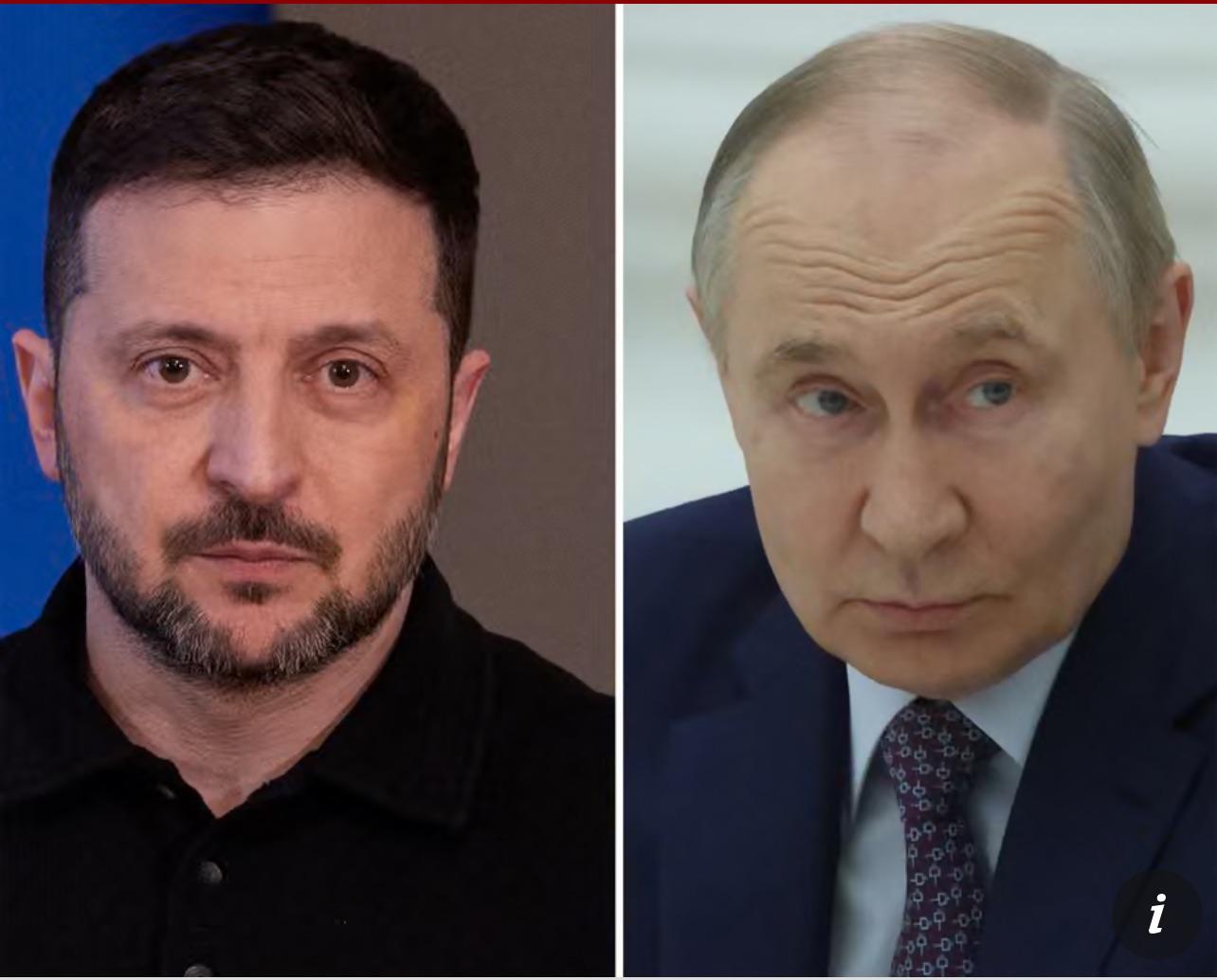
🌍 Why This Matters
Ukrainian President Volodymyr Zelenskyy has publicly urged direct peace negotiations with Russian President Vladimir Putin, marking a significant diplomatic escalation amid the continued conflict in Ukraine. This comes just hours after one of the deadliest Russian airstrikes on Kyiv, killing at least 31 civilians, including children, prompting global outrage and calls for international response. Zelenskyy’s push emphasizes increased full-spectrum support from Western allies and renewed pressure to end the war through diplomatic channels.
🚨 What Actually Happened
On August 1, 2025, amid escalating violence, Zelenskyy called for face-to-face discussions with Putin, in hopes of de-escalating the conflict and exploring peace terms. Russian officials, while expressing vague openness to continued negotiations, reiterated their strategic objectives and refused to alter their military posture. Concurrently, a Russian strike targeted areas in Kyiv, resulting in dozens of deaths, including children, and triggering condemnation from the Ukrainian leadership and the UN.
🛡 Allies Stand with Ukraine
Zelenskyy spoke with UK Prime Minister Keir Starmer, requesting enhanced drone production, expanded sanctions, and coordinated military assistance—including promised deliveries of Patriot air defense systems from Germany. Ukraine and its allies have escalated pressure on Russia to return to negotiations, especially as civilian casualties continue to mount.
📌 Context: The War’s Current Trajectory
Despite Russian claims of territorial gains, Ukrainian forces and global monitoring entities report that the military situation remains highly contested. The latest strike on Kyiv is among the most devastating in weeks, highlighting ongoing security threats within Ukraine’s capital.
🔍 Why This Story Is Among Today’s Hottest Global Developments
A shift in strategy: Zelenskyy’s appeal for direct talks with Putin is a departure from previous reliance solely on Western intermediaries. Humanitarian urgency: Civilian casualties continue to drive global concern. Diplomatic stakes: Major Western powers are evaluating if deeper engagement or new pressure tactics can influence Russia. Wider repercussions: The conflict could reshape EU–Ukraine relations, NATO cooperation, and global security dynamics.