Wilgens Sirise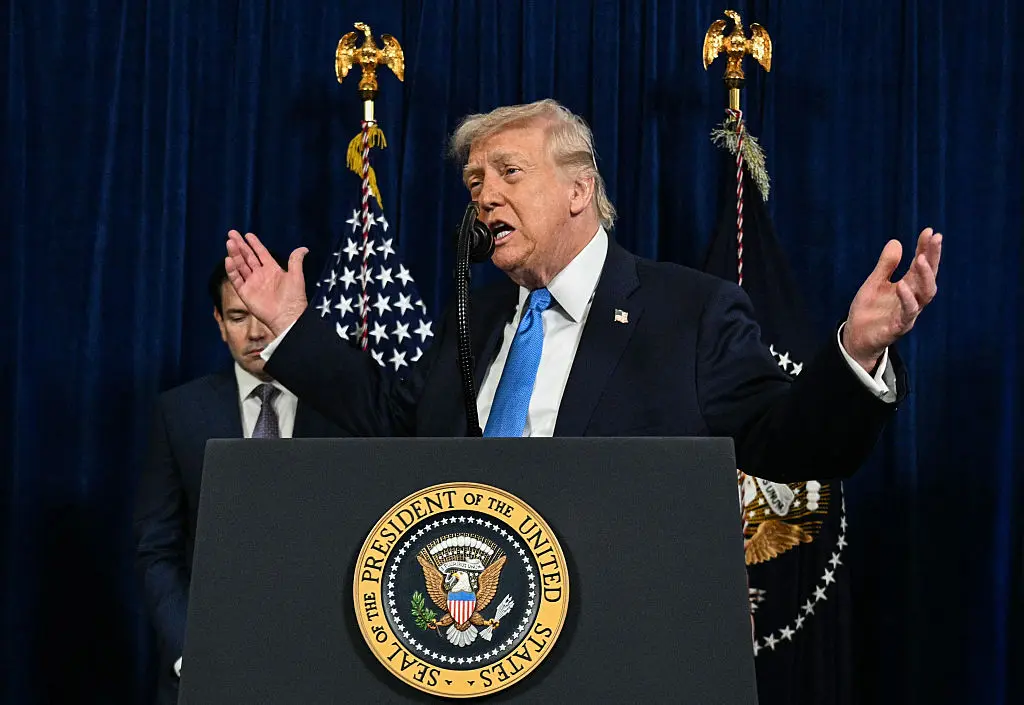
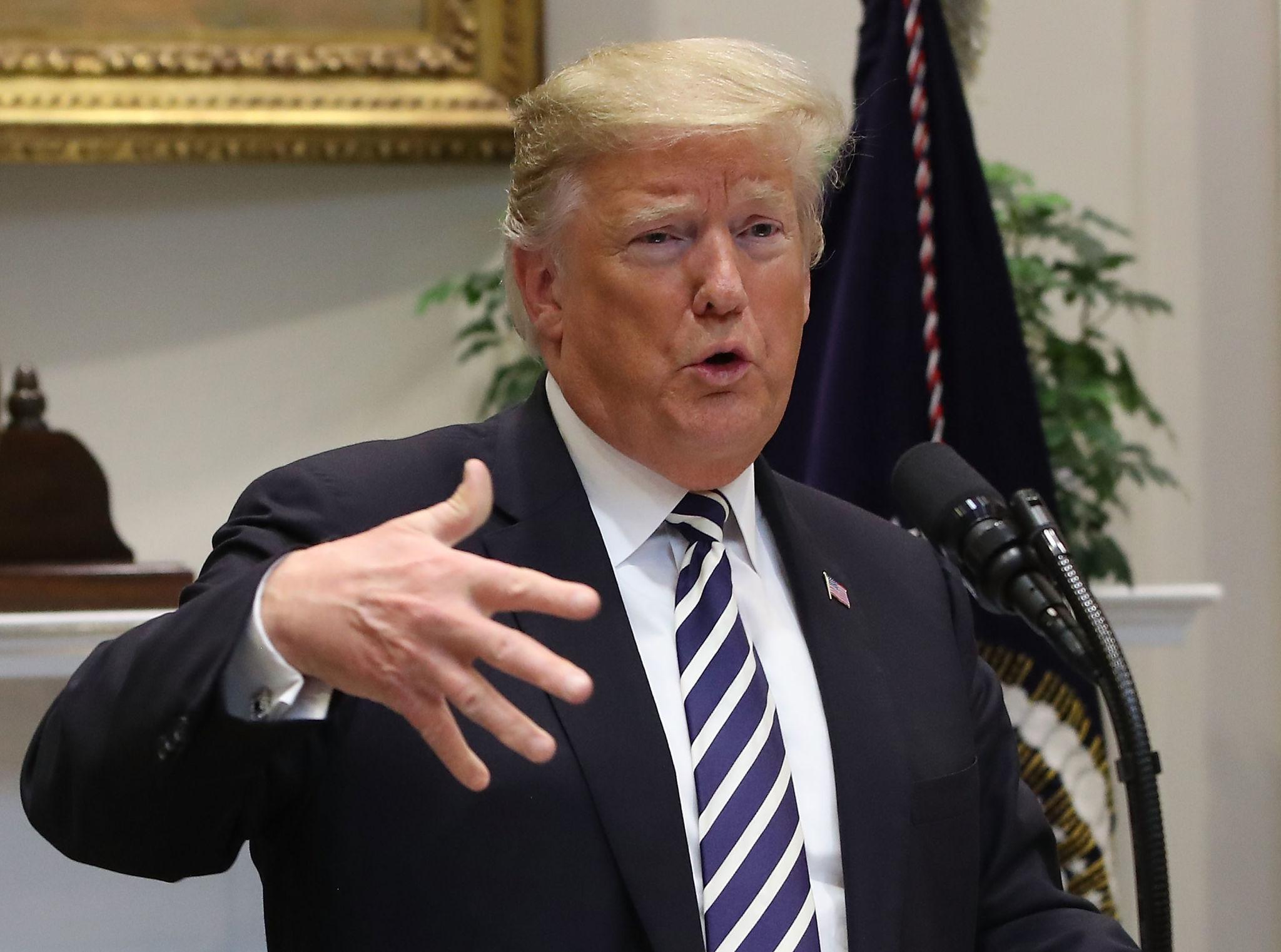
In early January 2026, former U.S. President Donald Trump issued a stark warning to Venezuela’s interim leadership, saying that if they fail to cooperate with Washington’s goals, the United States may carry out a new military attack on the South American nation. Trump’s message came amid dramatic and controversial U.S. military actions that have already reshaped the political crisis in Venezuela. Reuters+1
The warning was directed at Delcy Rodríguez, who is recognized by many as Venezuela’s interim president following the capture of longtime leader Nicolás Maduro in a U.S.-led operation. Trump said Rodríguez and other Venezuelan leaders must align with U.S. objectives or “pay a very big price,” suggesting that refusal to comply could trigger another strike similar to the one that ousted Maduro. France 24+1
This threat represents a major escalation in U.S. policy toward Venezuela. The U.S. military recently conducted a significant operation inside Venezuelan territory, including airstrikes on military facilities in Caracas and the capture of Maduro, who was transported to the U.S. to face federal charges on drug and narco-terrorism allegations. Trump has justified these actions by accusing Maduro’s government of supporting criminal networks and posing threats to U.S. security. People.com
The Trump administration’s position is that Venezuela must not only cede to U.S. strategic interests but also permit deeper involvement by American political and economic actors, especially in the energy sector. Trump has repeatedly emphasized plans for American oil firms to expand operations inside Venezuela, arguing that this will help stabilize the energy market and benefit both economies. New York Post
However, the notion of military re-engagement worries many observers. Critics label Trump’s warnings and prior military actions as imperialistic and dangerous, arguing that bypassing Congress and international norms could destabilize the region and inflame anti-U.S. sentiment. Some analysts compare the intervention to past U.S. interventions in Latin America, warning it could lead to prolonged violence and humanitarian suffering. The Washington Post
The global response has been mixed. A United Nations Security Council session was convened to address the crisis, with several nations condemning the abduction of Maduro and potential further military action. Countries such as China and Russia have criticized the U.S. operation as a violation of international law and an infringement on Venezuela’s sovereignty. The Washington Post

Inside the United States, domestic opinion is also divided. Recent polling shows that while a segment of Americans supports the initial military strike, a majority expresses concern that U.S. involvement could spiral into a broader conflict. Many lawmakers have raised constitutional questions over the president’s authority to engage in further military action without Congressional approval. Reuters
Trump’s warning signals that U.S.–Venezuela relations are entering a volatile new chapter. With Venezuela’s government under unprecedented pressure and the U.S. asserting both political and military leverage, the possibility of additional conflict looms unless Caracas demonstrates clear cooperation with Washington’s strategic agenda. The Guardian