Wilgens Sirise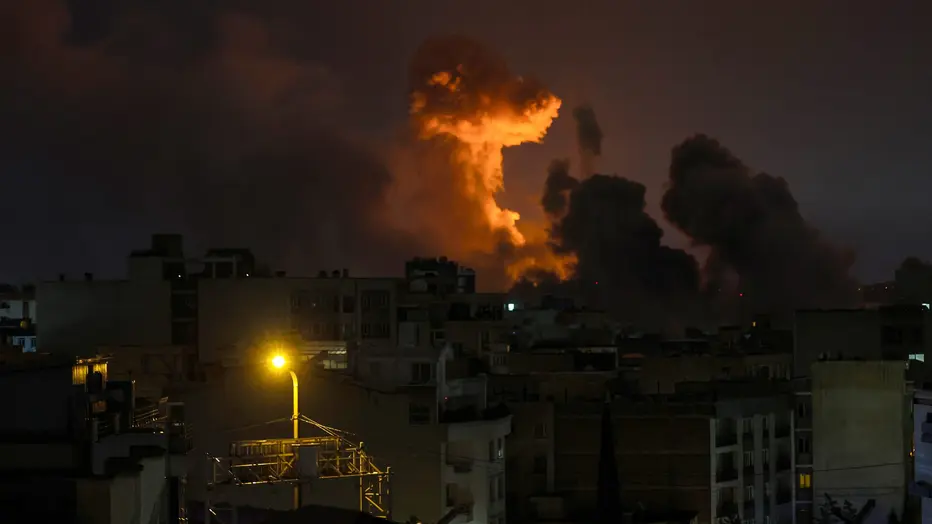
The Trump Iran conflict has rapidly escalated into one of the most dangerous global crises in recent years. What started as targeted military strikes has now turned into a full-scale confrontation involving the United States, Iran, and key allies in the Middle East. As tensions rise, millions are asking the same question: Are we on the brink of a major war?

What Happened in the Trump Iran Conflict?
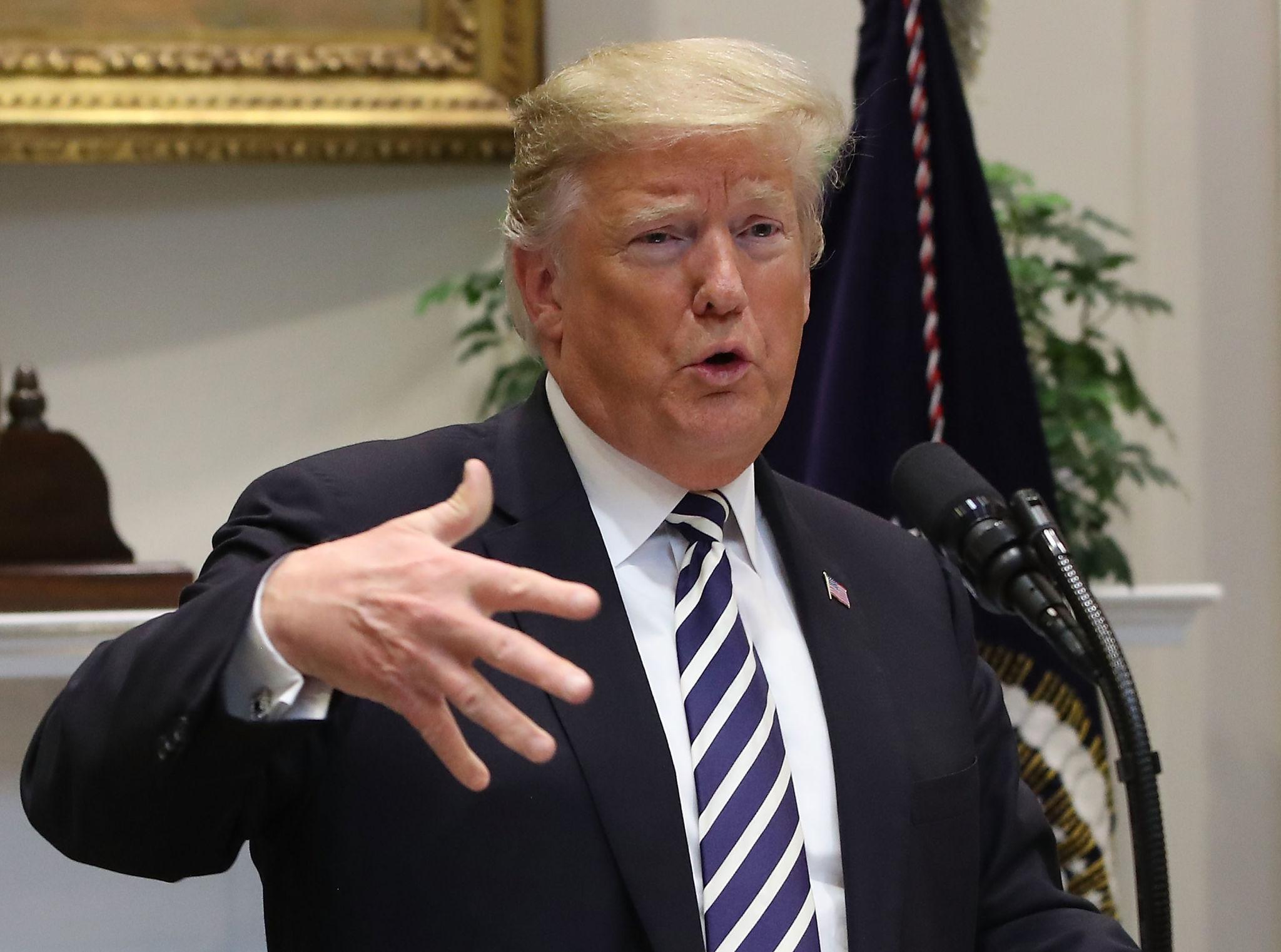
The conflict began in late February 2026 when the United States, under the direction of Donald Trump, launched a series of airstrikes targeting Iranian military infrastructure. These attacks were reportedly part of a broader strategy to weaken Iran’s military capabilities and prevent potential threats to U.S. allies.
According to reports, the strikes caused significant damage and even led to the killing of high-ranking Iranian leaders.
However, Iran quickly responded with missile and drone attacks targeting U.S. and allied positions in the region, escalating the situation further.
What was expected to be a short military operation has now evolved into a prolonged and unpredictable conflict.
Why Is This Situation So Dangerous?
This situation is extremely dangerous because it involves multiple powerful actors and strategic locations. One of the biggest concerns is the Strait of Hormuz, a critical route for global oil supply.
If this area becomes unstable, it could trigger a global economic crisis, with rising fuel prices and shortages affecting countries worldwide.
Additionally, Iran still possesses a large number of missiles and drones, despite ongoing U.S. attacks. Intelligence reports suggest that only a portion of Iran’s arsenal has been destroyed.
This means the threat is far from over.

How Could This Affect People in the U.S.?
While there are currently no confirmed direct attacks on U.S. soil, the impact of the Trump Iran conflict could still be felt by Americans in several ways.
First, economic consequences are already being seen. Rising oil prices could lead to higher gas prices, increased cost of living, and financial pressure on households.
Second, security concerns are increasing. Experts warn that cyberattacks or indirect threats could target U.S. infrastructure.
Finally, there is growing fear and uncertainty among the public. Many Americans are worried about the possibility of a wider war or even global conflict.
Is the U.S. Planning a Ground War?
One of the most alarming developments is the possibility of a ground invasion. Reports suggest that the Pentagon is preparing for potential operations involving U.S. troops on the ground.
However, this option is highly controversial. Many Americans oppose the idea of another long and costly war in the Middle East, especially after experiences in Iraq and Afghanistan.
Officials have hinted that any ground action would likely be limited, focusing on strategic targets rather than a full-scale invasion.

What Happens Next?
The future of the Trump Iran conflict remains uncertain. There are currently two possible paths:
1. Escalation
If tensions continue to rise, the conflict could expand into a larger regional or even global war. More countries could get involved, increasing the stakes dramatically.
2. Negotiation
There are also reports of potential diplomatic efforts to end the conflict, although Iran has denied direct talks with the United States.
A peace deal could stabilize the situation, but reaching an agreement may be difficult given the deep mistrust between both sides.
Final Thoughts: A Crisis the World Is Watching
The Trump Iran conflict is more than just a regional issue—it is a global crisis with far-reaching consequences. From economic instability to security risks, the impact could be felt worldwide.
As the situation continues to evolve, one thing is clear:
👉 The world is watching closely, and the next move could change everything.