Wilgens Sirise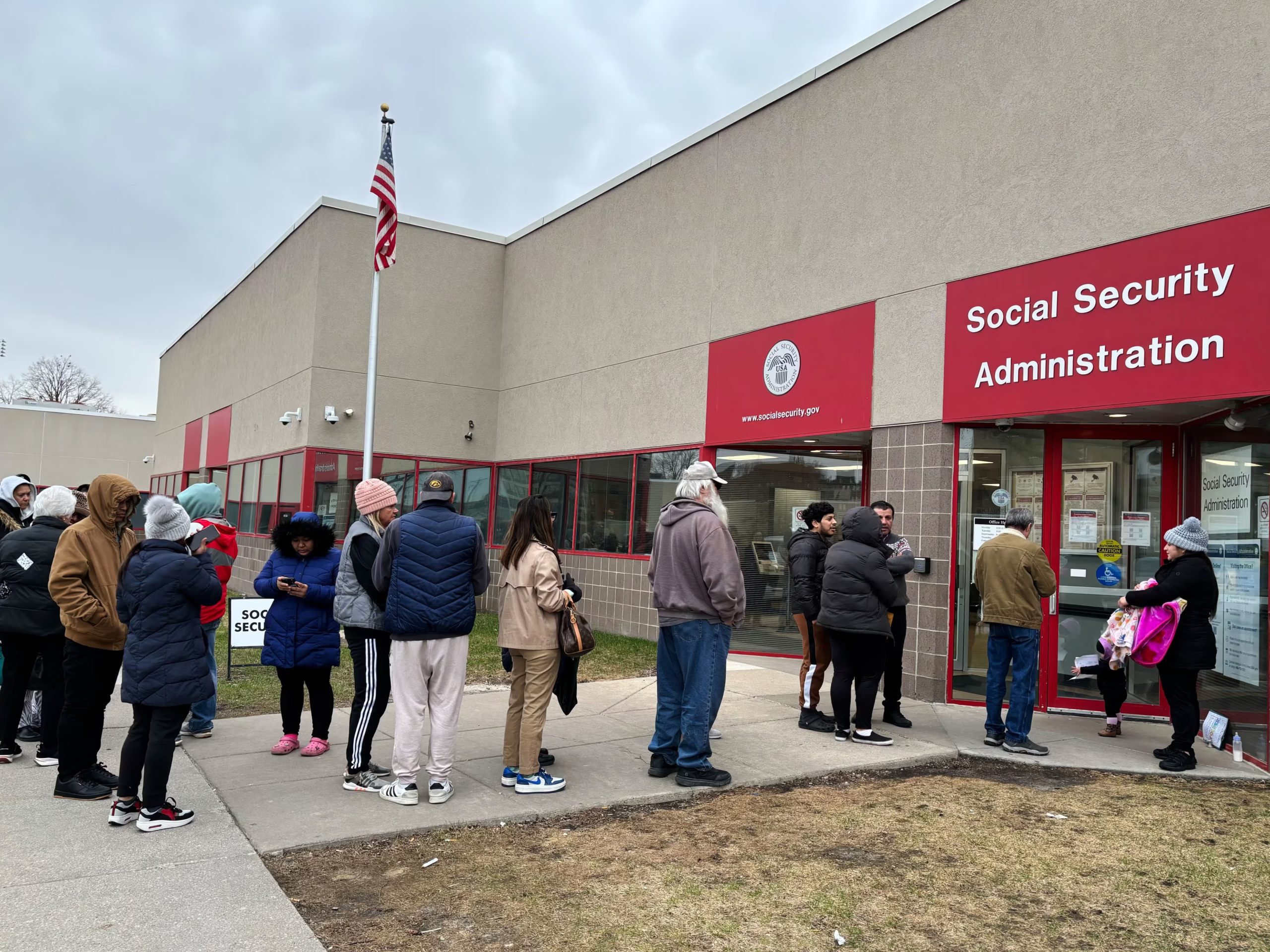
Social Security Changes Passed: What They Mean for Americans in 2026 and Beyond
In recent years, Social Security has remained one of the most important programs for millions of Americans. It provides retirement income, disability benefits, and financial support for survivors. With rising inflation, longer life expectancy, and concerns about the long-term stability of the system, lawmakers have approved several changes designed to strengthen Social Security and better protect beneficiaries. These updates are already affecting retirees, workers, and future beneficiaries in 2026.
One of the most noticeable changes is the annual Cost-of-Living Adjustment (COLA). Social Security benefits are adjusted each year to keep up with inflation. For 2026, beneficiaries received a moderate increase compared to the large adjustments seen during the high inflation period of 2022–2023. While the increase helps retirees keep pace with rising prices for housing, food, and healthcare, many seniors still feel the pressure of everyday expenses. The COLA remains a critical tool, but it also reflects the reality that inflation continues to impact household budgets across the country.
Another major change involves the Social Security taxable earnings cap. Each year, the maximum amount of income subject to Social Security payroll taxes increases. In 2026, higher-income workers are paying Social Security taxes on a larger portion of their earnings than before. This adjustment is intended to strengthen the financial health of the Social Security Trust Fund by increasing contributions from higher earners. For most workers, this change does not affect their take-home pay significantly, but for those earning above the threshold, it results in higher payroll deductions.
Lawmakers have also focused on improving benefits for certain groups. One important update affects long-term low-income workers. New benefit formula adjustments are designed to provide slightly higher monthly payments for individuals who spent many years working in lower-wage jobs. This change aims to reduce poverty among older Americans who worked consistently but earned modest incomes throughout their careers.

In addition, changes have been made to Social Security disability programs. The Social Security Administration (SSA) has expanded the list of medical conditions that qualify for faster disability determinations. This means some applicants with severe medical conditions can receive decisions more quickly, reducing long waiting periods that previously created financial hardship. The agency is also investing in digital systems to speed up application processing and reduce backlogs.
Another key development is the gradual increase in the Full Retirement Age (FRA), which continues under previously approved legislation. For workers born in 1960 or later, the full retirement age is now 67. While early retirement at age 62 is still available, benefits are permanently reduced for those who claim early. This change reflects longer life expectancy and is designed to keep the system financially sustainable. However, it has also raised concerns for workers in physically demanding jobs who may find it difficult to work longer.
There have also been discussions—and partial measures—aimed at improving customer service at the Social Security Administration. In recent years, the agency faced criticism for long phone wait times, office closures, and delays in processing claims. New funding has been approved to hire additional staff, modernize technology, and improve online services. Many beneficiaries can now complete more tasks through their online Social Security accounts, including benefit estimates, address changes, and direct deposit updates.
For future retirees, the biggest concern remains the long-term solvency of Social Security. Current projections show that without additional reforms, the trust fund could face funding shortfalls in the next decade. The recent changes help strengthen the system, but experts agree that larger reforms may still be needed. Potential future proposals include adjusting payroll tax rates, modifying benefit formulas for high earners, or gradually increasing the retirement age further.
These changes also affect younger workers, even if retirement seems far away. Higher taxable earnings limits, potential future tax adjustments, and benefit formula changes mean that today’s workforce will play a key role in supporting the system. Financial planners continue to advise workers to treat Social Security as one part of their retirement strategy rather than their only source of income.
For retirees and near-retirees, the most important step is staying informed. Reviewing annual Social Security statements, understanding the best age to claim benefits, and using the SSA’s online tools can help individuals make better financial decisions. Timing matters—waiting longer to claim benefits can significantly increase monthly payments.
In summary, the Social Security changes passed in recent years are aimed at balancing two goals: protecting current beneficiaries and improving the program’s long-term stability. Higher taxable income limits, annual COLA adjustments, improved benefits for low-income workers, faster disability decisions, and investments in customer service all represent efforts to modernize the system. While challenges remain, these updates show that Social Security continues to evolve to meet the needs of a changing population.
For millions of Americans, Social Security is more than just a government program—it is a financial lifeline. Understanding these changes can help individuals plan smarter, protect their income, and prepare for a more secure future.
BY. WILGENS SIRISE