Wilgens Sirise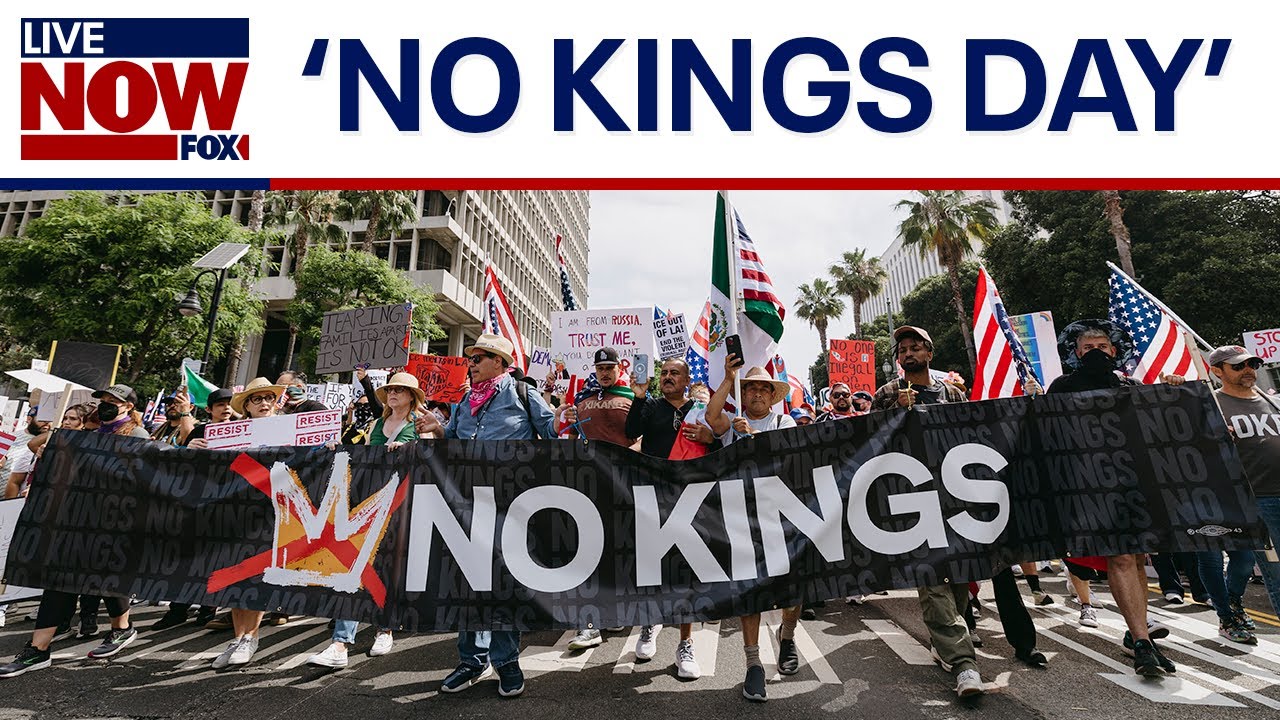
What Is No King Day?
No King Day is a symbolic holiday celebrated to remind people of the value of freedom, equality, and independence from tyranny. The phrase “No King” represents a rejection of oppressive systems and absolute rulers who abuse power. On this day, people honor democracy, liberty, and the principle that no one should hold unchecked authority over others.
Though No King Day is not an official national holiday, it has gained attention among freedom advocates, educators, and reformists as a reminder that real leadership comes from service, not domination.
The Historical Roots of No King Day
The concept behind No King Day originates from centuries of human struggle against monarchy, dictatorship, and authoritarian rule. From the American Revolution in 1776 to the French Revolution in 1789, history is filled with movements that fought to free people from the hands of kings and emperors.
When the American colonists declared independence from Great Britain, they adopted the slogan “No King but God.” This was more than a political statement—it was a moral declaration that no human being should rule over another by divine right. No King Day, in modern terms, symbolizes the same fight for justice, freedom, and equality for all.
Why No King Day Matters Today
In today’s world, No King Day carries powerful meaning. It’s not only about rejecting monarchy—it’s about rejecting all forms of oppression, corruption, and inequality. Around the world, many people still live under systems that limit their freedom of speech, religion, and movement.
Celebrating No King Day means standing up against these injustices. It’s a day to reflect on how far humanity has come in creating fair governments and how far we still need to go. It’s also a reminder that real power belongs to the people, not to a single person or ruling elite.
How People Celebrate No King Day
There is no universal way to celebrate No King Day, but several traditions and ideas have emerged in communities that recognize it:
- Education and Awareness Events:
Schools, universities, and civic groups host discussions or seminars about democracy, freedom, and equality. Students often debate the question: “What does freedom mean in the modern world?” - Community Gatherings:
People organize local events, parades, or public readings of historical documents like the Declaration of Independence or the Universal Declaration of Human Rights. - Acts of Service:
Many choose to spend No King Day volunteering in their communities, showing that leadership is about serving others, not controlling them. - Social Media Movements:
On platforms like X (Twitter), Instagram, and TikTok, hashtags such as #NoKingDay, #FreedomForAll, and #EqualityMatters trend as people share quotes, images, and reflections about liberty.

The Global Relevance of No King Day
The idea behind No King Day transcends national boundaries. Countries that have transitioned from monarchies or dictatorships to democracies understand its message deeply. In nations still fighting for freedom, the concept of No King Day serves as inspiration for reform and human rights movements.
It encourages citizens to think critically about who holds power and how that power is used. Whether in politics, business, or social systems, the message is clear: no one is above accountability.
No King Day in Pop Culture
The idea of “No King” has appeared in music, film, and literature. Artists and writers often use it as a metaphor for personal freedom, individuality, and rebellion against unjust systems.
For example, modern musicians have used No King Day themes to inspire youth empowerment, while filmmakers have created documentaries exploring the dangers of unchecked political power. Even in online discussions, the term “No King” has evolved into a symbol of independence and anti-tyranny resistance.
No King Day and Modern Democracy
Celebrating No King Day also means appreciating the systems that promote equality and fairness. It reminds citizens that democracy only survives when people participate actively—by voting, speaking up, and holding leaders accountable.
It is easy to take freedom for granted, especially in democratic societies. But No King Day serves as a wake-up call: liberty can fade if people stop protecting it. True democracy is not a gift—it is a responsibility.
The Future of No King Day
As awareness grows through the internet and social platforms, No King Day may eventually become a global symbol of equality and justice. With increasing discussions about government overreach, corruption, and digital privacy, its message resonates stronger than ever.
In a world where some leaders seek to expand their control, No King Day reminds us that freedom is fragile but powerful. It depends on every individual’s courage to say, “No one rules me without my consent.”
Why We Need No King Day
No King Day is not just a date—it’s a mindset. It challenges people everywhere to value fairness, equality, and accountability over blind obedience. Whether you celebrate by learning history, helping others, or simply reflecting on your freedom, the message is universal:
There should be no king over human dignity.
By.Wilgens Sirise