Wilgens Sirise
Mexico on High Alert: The Death of a Cartel Leader and the Search for El Mencho
Mexico has once again entered a tense and uncertain period after the death of a powerful cartel figure and renewed attention around one of the country’s most wanted criminals, Nemesio Oseguera Cervantes, better known as El Mencho. The situation has placed security forces on high alert, raised fears of violent retaliation, and sparked new questions about the future of organized crime in the country.
This article explains what is happening, why Mexico is on alert, where authorities believe El Mencho may be hiding, and what the death of a cartel leader could mean for the region.
Why Mexico Is on High Alert
Whenever a major cartel leader is killed or captured, Mexico’s security agencies immediately prepare for possible violence. Drug cartels operate like powerful organizations, and leadership changes often trigger internal power struggles or retaliation against rivals and government forces.
The recent death of a high-ranking cartel figure has created exactly that risk. Authorities fear that different factions within the criminal group could fight for control. At the same time, rival cartels may attempt to take advantage of the situation by expanding into territories that were previously controlled by the weakened organization.
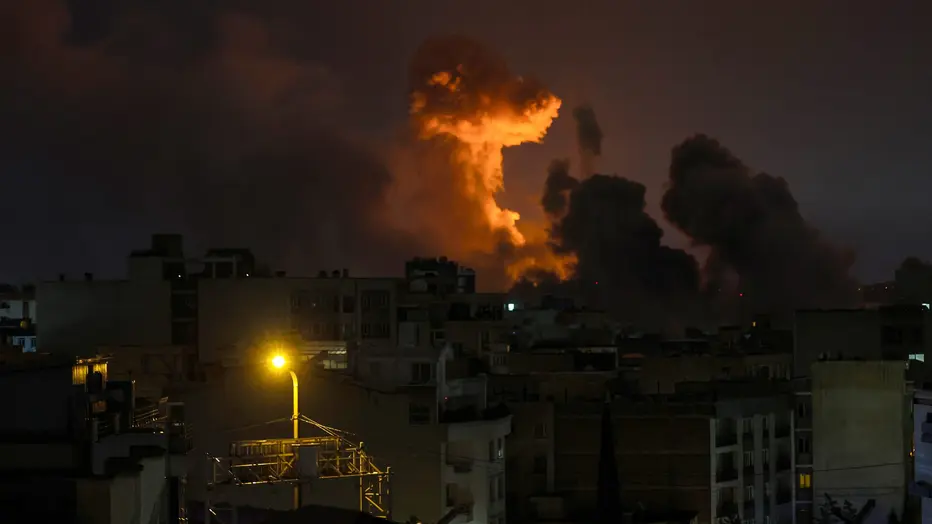
Mexico’s government has responded by increasing military and National Guard presence in several high-risk states, particularly in regions known for cartel activity such as Jalisco, Michoacán, Guanajuato, and Zacatecas. Roadblocks, patrols, and intelligence operations have been intensified to prevent sudden outbreaks of violence.
The concern is not only about cartel members fighting each other. In the past, criminal groups have burned vehicles, blocked highways, attacked police stations, or targeted civilians to demonstrate their power after the loss of a leader.
Who Is El Mencho?
Nemesio Oseguera Cervantes, known as El Mencho, is the leader of the Jalisco New Generation Cartel (CJNG), one of the most powerful and violent criminal organizations in Mexico. The CJNG has expanded rapidly over the past decade and now operates in multiple states, as well as internationally.
El Mencho is wanted by both Mexican and U.S. authorities for drug trafficking, money laundering, and involvement in violent crimes. The U.S. government has offered a reward of up to $10 million for information leading to his capture.
Despite major operations against the CJNG, El Mencho has managed to avoid arrest for years, which has increased his reputation and influence within the criminal world.
Where Did Authorities Find El Mencho?
Reports about El Mencho’s location often vary because he moves frequently and relies on a strong network of protection. Intelligence sources believe he has spent most of his time hiding in rural and mountainous areas of Jalisco and neighboring states.
These regions provide natural protection, making it difficult for authorities to track him. The cartel also uses lookouts, encrypted communications, and loyal local supporters to warn him of any military or police operations.
Occasionally, security forces have come close to locating him, and there have been raids targeting properties linked to the CJNG leadership. However, as of now, El Mencho has not been captured, and officials believe he continues to operate from hidden locations within western Mexico.
The Death of a Cartel Leader: What It Means
The death of a cartel leader can have mixed effects. In some cases, removing a top figure weakens the organization and disrupts its operations. But in other situations, it can lead to more violence.
When leadership disappears suddenly, different groups inside the cartel may compete for power. This internal conflict often results in shootings, kidnappings, and territorial battles. Rival cartels may also move in, creating new conflicts and instability.
For civilians, this period is often the most dangerous. Businesses may close early, schools may suspend classes, and families may avoid travel due to fear of roadblocks or armed confrontations.
At the same time, security experts warn that eliminating individual leaders does not always solve the larger problem. Many cartels are structured like networks, meaning they can quickly replace leaders and continue operations.
Impact on Mexico and Beyond
The current situation highlights the ongoing challenge Mexico faces in its fight against organized crime. Drug cartels remain powerful due to international drug demand, financial resources, and local corruption in some areas.
The United States is also closely monitoring developments, since Mexican cartels play a major role in the trafficking of fentanyl, methamphetamine, and other drugs across the border.
For Mexico’s government, the priority now is preventing a wave of retaliatory violence and maintaining stability in affected regions. Increased security operations and intelligence sharing between agencies are expected to continue in the coming weeks.
Mexico’s high alert status reflects the fragile balance that exists whenever a major criminal figure is removed. The death of a cartel leader has the potential to reshape power structures, trigger violent conflicts, and create uncertainty for communities.
Meanwhile, the search for El Mencho continues, as authorities believe capturing him would be a major step in weakening one of the country’s most dangerous criminal organizations. Until then, security forces remain vigilant, and the country watches closely to see how the situation unfolds.