Wilgens Sirise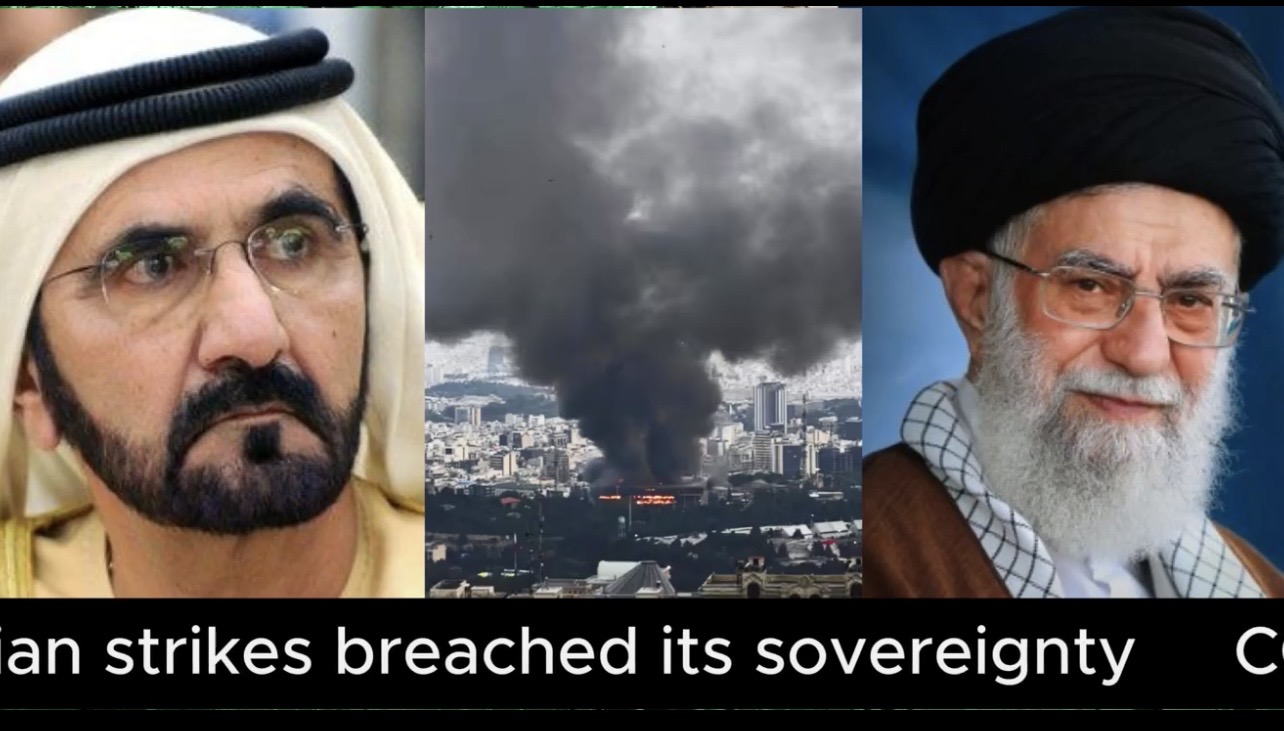

Escalation in the Middle East: Global Shock After Deadly Strike and Iran’s Immediate Retaliation
The world woke up to alarming headlines as tensions in the Middle East surged to a dangerous new level. Reports circulating across international media and social platforms claim that a joint military operation involving the United States and Israel struck a target in the southern Iranian city of Minab. According to Iranian sources, the strike allegedly hit a girls’ elementary school, resulting in the deaths of dozens of students and leaving many others injured.
While details remain disputed and independent verification is still developing, the emotional impact of the reports has already ignited outrage, fear, and urgent questions around the globe. If confirmed, the incident could mark one of the most tragic civilian casualties in the growing confrontation between Iran and its regional adversaries.
A Tragic Incident With Global Implications
Iranian state media reported that approximately 40 children were killed and nearly 50 injured when the facility was struck. Images and videos circulating online have intensified public reaction, showing scenes of devastation and emergency responders rushing victims to nearby hospitals.
Neither U.S. nor Israeli officials immediately confirmed the specific details of the reported school strike. Defense analysts caution that in the fog of conflict, early reports often contain conflicting information. However, the humanitarian concern is already dominating international discussion.
Across social media, many Americans are asking a difficult question: Is this the kind of escalation the public supports? The emotional reaction reflects a broader unease about the possibility of the United States becoming more deeply involved in another major Middle Eastern conflict.
Iran’s Immediate Military Response
Within hours of the reported strike, Iran launched a large-scale retaliation. Military sources in the region confirmed that ballistic missiles and armed drones were fired toward Israeli territory as well as toward U.S. military installations across the Middle East.
Air defense systems in Israel were activated, while American forces reportedly went on high alert in multiple countries. The situation escalated further when Gulf Arab nations took emergency action.
The United Arab Emirates and Qatar temporarily closed their airspace, citing regional security threats. Officials in Abu Dhabi reported that debris from an intercepted missile caused at least one fatality, underscoring how quickly the conflict is spilling beyond its original targets.
Perhaps the most concerning development came from Bahrain, where early reports suggested that an Iranian ballistic missile may have struck near facilities associated with the U.S. Navy’s Fifth Fleet. While the extent of damage remains unclear, any direct hit on a major U.S. military command would represent a serious escalation.
Economic Fears Begin to Rise
As military tensions grow, economic concerns are spreading just as quickly. Energy markets reacted almost immediately, with oil prices showing sharp increases amid fears that shipping routes in the Persian Gulf could be disrupted.
For American families, this could translate into higher gasoline prices within days or weeks. Transportation costs, airline tickets, and everyday goods often follow the same upward trend when global oil supply appears threatened.
At the same time, critics are questioning the financial priorities of increased military engagement. Some lawmakers and advocacy groups argue that the United States is already facing domestic challenges, including food insecurity, healthcare funding debates, and pressure on programs such as Medicaid.
Defense spending, however, tends to rise during periods of conflict. Historically, major defense contractors see increased demand for weapons systems, missile defense technology, and military logistics during times of heightened global tension.
A Region on Edge
The Middle East has long been a complex web of alliances, rivalries, and fragile stability. Any direct confrontation between Iran and U.S.-aligned forces risks pulling multiple countries into a broader conflict.
Regional governments are now working behind the scenes to prevent further escalation. Diplomatic channels through European and Gulf intermediaries are reportedly active, with urgent efforts to avoid a cycle of attack and retaliation that could spiral out of control.
Military analysts warn that the next 48 to 72 hours are critical. If additional strikes occur or if casualties increase on either side, the pressure for a wider military response could grow significantly.

Public Opinion and Political Pressure
Back in the United States, the developing crisis is already shaping political debate. Many Americans are questioning the long-term strategy in the Middle East and whether new military actions align with public priorities.
The timing is particularly sensitive, as economic concerns, healthcare costs, and domestic spending debates remain central issues for voters. Any perception that foreign conflict is diverting resources from domestic needs could intensify political pressure on national leadership.
What Happens Next?
At this stage, much remains uncertain. Key questions still need clear answers:
- Were civilian facilities intentionally or accidentally struck?
- How extensive is the damage to U.S. and allied military assets?
- Will diplomatic efforts succeed in preventing further retaliation?
- How will global energy markets and the U.S. economy respond?
What is clear is that the situation represents one of the most serious escalations in recent years. The combination of civilian casualties, direct military exchanges, regional airspace closures, and economic ripple effects has placed the world on high alert.
For now, governments, markets, and ordinary citizens alike are watching closely—hoping that the next headlines bring de-escalation rather than a wider war.
BY.WILGENS SIRISE