Wilgens Sirise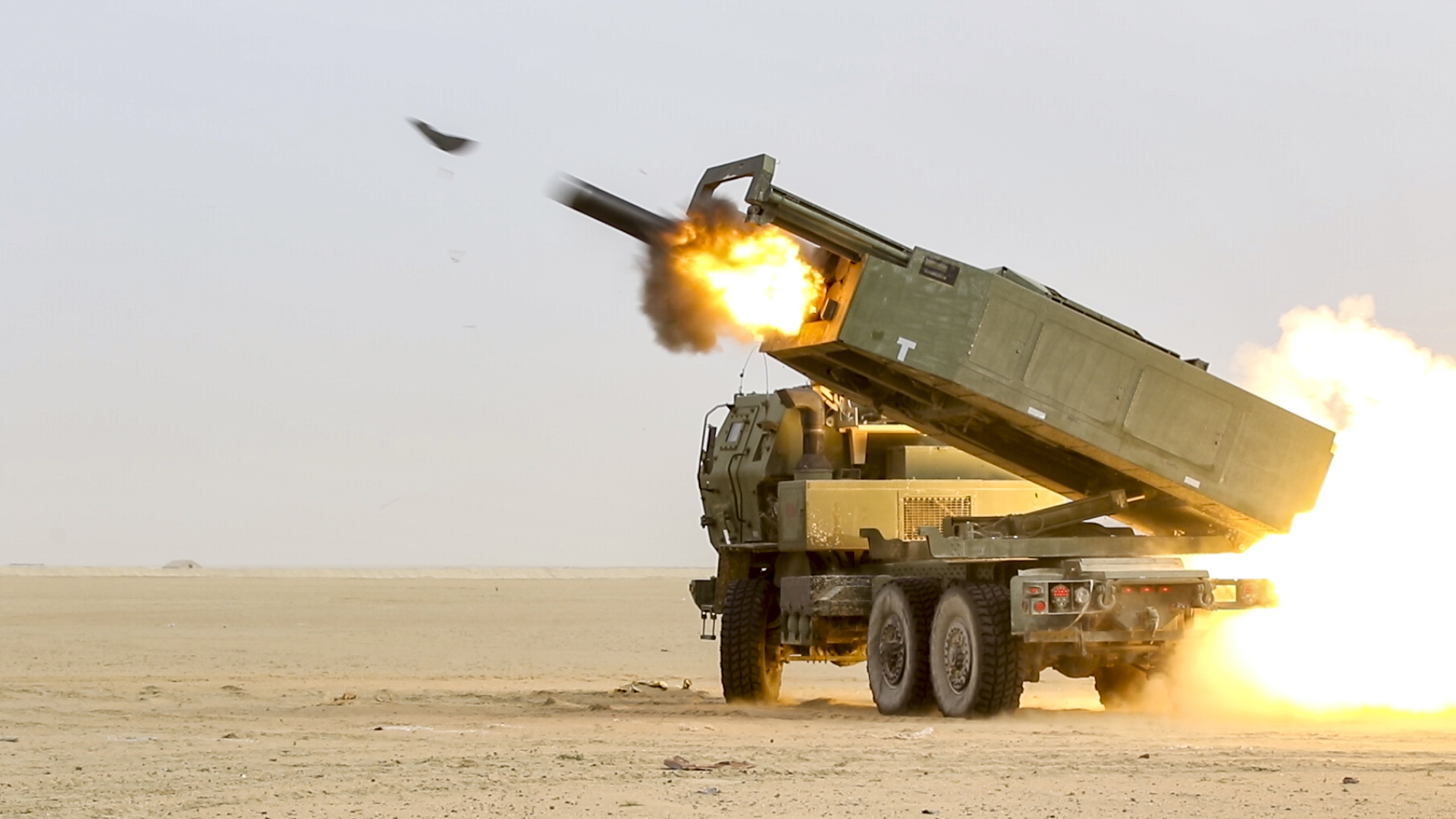
TRUMP BREAKING: How Iran’s Leader Was Killed
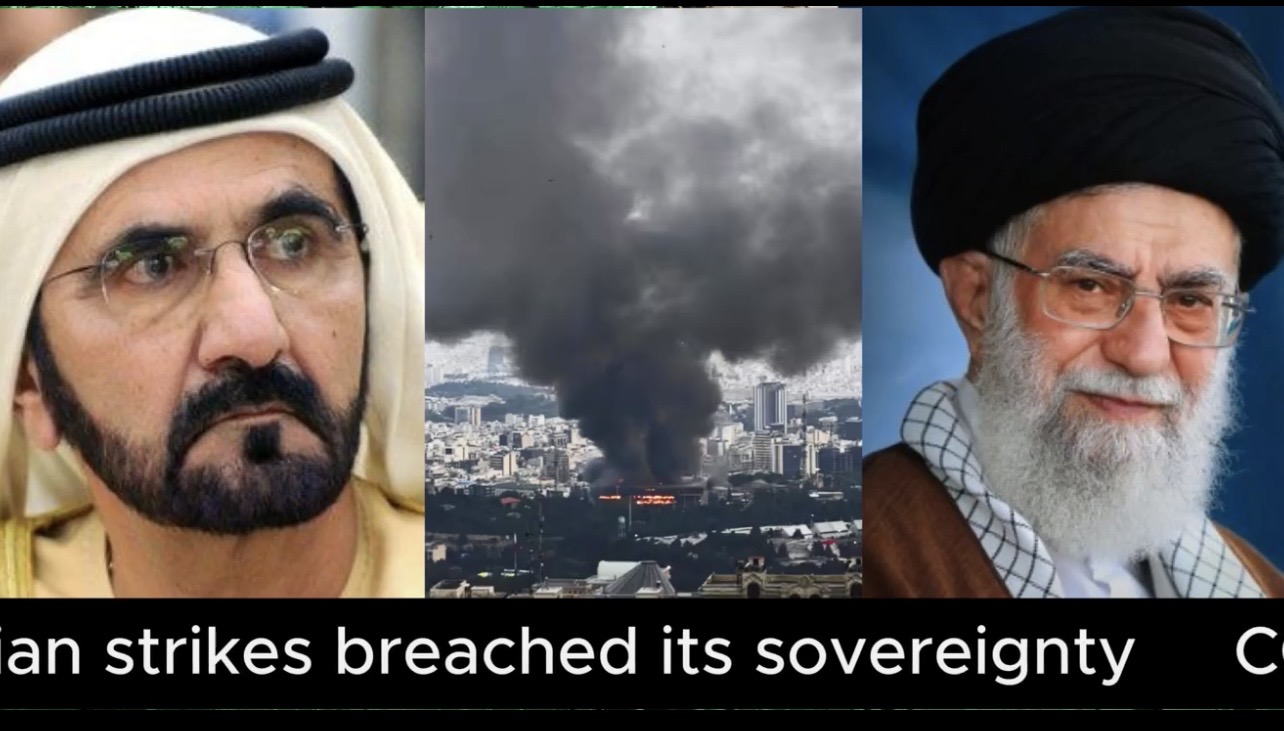
In a dramatic escalation of tensions in the Middle East, the world was stunned by reports that Iran’s Supreme Leader, Ayatollah Ali Khamenei, was killed in a coordinated military operation involving the United States and Israel. The event has shaken global politics, sparked fears of a wider war, and triggered strong reactions across the world. Understanding how this unprecedented moment unfolded requires examining the intelligence, the military operation, and the geopolitical tensions that led to it.
Rising Tensions Before the Strike
For years, tensions between the United States, Israel, and Iran had been steadily rising. Iran’s nuclear program, its support for armed groups across the Middle East, and its confrontational rhetoric toward the West were major concerns for Washington and its allies.
U.S. President Donald Trump repeatedly warned that Iran’s leadership posed a major threat to global security. In particular, American officials accused Iran of developing nuclear capabilities and supporting attacks against U.S. allies in the region. These tensions escalated further after intelligence reports suggested that Iranian forces were preparing actions that could threaten American and Israeli interests.
According to reports, the United States and Israel began planning a major military operation aimed at weakening Iran’s leadership and military command structure. Intelligence agencies from both countries worked together to track the locations of key Iranian leaders and strategic facilities.
The Secret Military Operation
The operation that ultimately led to the death of Iran’s leader was reportedly a joint U.S.–Israeli strike campaign involving advanced intelligence and precision weapons. Military planners focused on a strategy known as a “decapitation strike,” which aims to remove the leadership of a government or military command in a single, coordinated attack.
On February 28, 2026, multiple airstrikes targeted locations in and around Tehran. These strikes were reportedly carried out using advanced aircraft and guided munitions designed to destroy specific buildings and compounds believed to house senior Iranian officials.
Satellite intelligence and surveillance systems played a crucial role. According to reports, intelligence agencies used highly sophisticated tracking technology to monitor the movements of Iranian leaders before the strike took place. This allowed the attacking forces to pinpoint the exact location of their targets.
When the bombs hit their targets, several high-ranking Iranian officials were killed, including the Supreme Leader himself. Iranian state media later confirmed his death, announcing a national mourning period across the country.

Trump’s Reaction and Justification
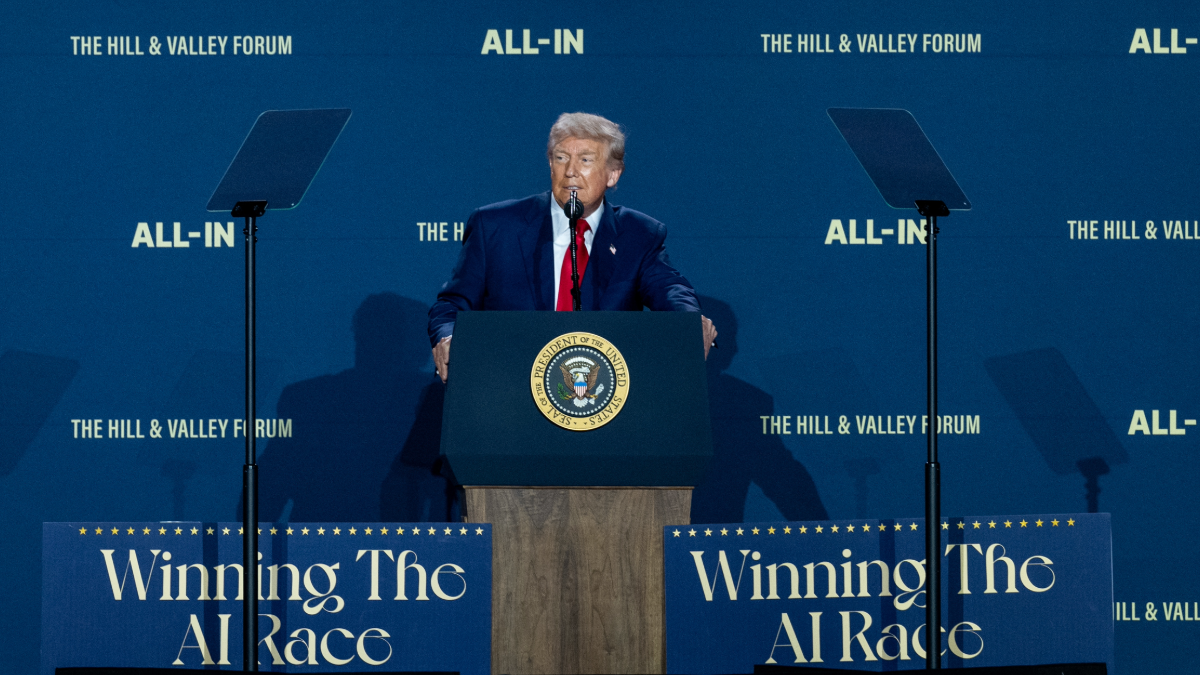
Shortly after the news broke, President Trump confirmed the operation and defended the military action. He described Iran’s leader as a dangerous figure and claimed that eliminating him was necessary to prevent greater conflict in the future.
Trump also stated that the operation relied on advanced intelligence systems and close cooperation with Israel. According to him, Iranian leaders were unable to escape the surveillance technologies tracking their movements.
The president argued that the strike was part of a broader strategy aimed at preventing Iran from acquiring nuclear weapons and protecting American interests in the region.
However, Trump also warned that the operation might not end the conflict. He suggested that further military actions could continue if Iran responded with retaliation.
Iran’s Reaction and Global Response
Iran reacted with anger and vows of revenge. Iranian officials warned that the assassination of their leader would have serious consequences for the United States and Israel. The country declared a period of national mourning and promised retaliation against those responsible.
Across the world, reactions were mixed. Some countries condemned the strike, calling it a dangerous escalation that could ignite a broader war in the Middle East. Others argued that removing Iran’s leadership might weaken the regime and reduce future threats.
Meanwhile, tensions in the region quickly intensified. Reports indicated missile launches, drone attacks, and military alerts across several Middle Eastern countries. Some analysts warned that the situation could spiral into a large-scale regional conflict.
What Happens Next?
The death of Iran’s Supreme Leader created a major power vacuum within the country’s political system. Iran’s leadership structure relies heavily on the authority of the Supreme Leader, who holds ultimate control over the military, government, and judiciary.
Without that central figure, Iran’s political future suddenly became uncertain. Experts believe that internal struggles for power could emerge as different factions compete to control the government.
At the same time, the conflict between Iran and its adversaries remains far from over. Military operations have continued, and the possibility of further escalation remains high.
The killing of Iran’s leader marked one of the most dramatic moments in modern Middle Eastern history. What began as rising geopolitical tension turned into a carefully planned military strike involving advanced intelligence, international cooperation, and high-risk decision-making.
While supporters of the operation claim it removed a dangerous adversary, critics warn that the consequences could destabilize the region for years to come. As the world watches closely, the true impact of this event may only become clear with time.
BY.WILGENS SIRISE