Wilgens Sirise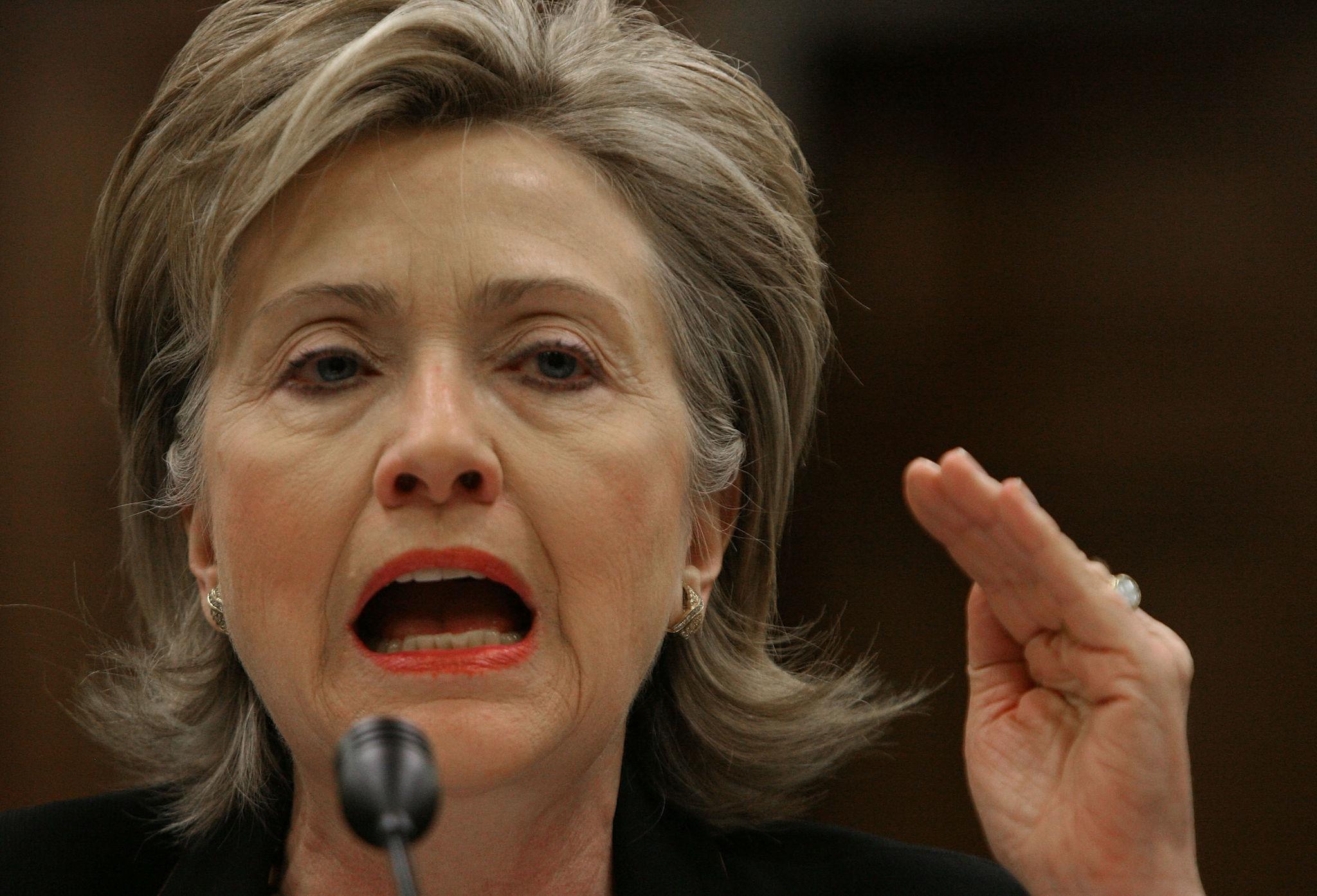
Hillary Clinton, Epstein Questions, and the Return of a Controversial Narrative
In today’s political climate, few topics generate as much attention and speculation as anything connected to Jeffrey Epstein. When former Secretary of State and presidential candidate Hillary Clinton recently faced questions in a congressional setting that touched on Epstein-related claims, the moment quickly reignited old debates, online theories, and renewed public curiosity. But what actually happened, what was asked, and what do the facts show? Here is a clear, balanced look at the situation.
Jeffrey Epstein, a financier who died in 2019 while awaiting trial on federal sex trafficking charges, had connections with powerful figures across politics, business, and entertainment. Over the years, flight logs, social photos, and guest lists fueled widespread speculation about who knew him, how well they knew him, and whether any wrongdoing extended beyond Epstein himself.
Because Epstein’s social circle included high-profile individuals from both major political parties, the issue has remained politically charged. Hillary Clinton, as one of the most recognized figures in American politics, has frequently been mentioned in online discussions and conspiracy narratives related to Epstein — despite limited factual evidence tying her personally to him.

During the recent congressional session, lawmakers questioned Clinton primarily about broader issues related to government transparency, accountability, and elite networks of influence. Some members referenced public concerns about Epstein’s connections to powerful individuals and asked whether there had been any awareness, communication, or institutional knowledge about his activities during periods when Clinton served in government.
Clinton’s response was direct and firm. She stated that she had no personal relationship with Jeffrey Epstein and was not aware of his criminal activities during her time in public office. She emphasized that Epstein was never part of her professional or personal circle and rejected claims suggesting any direct involvement.
She also addressed a key point that often fuels public confusion: the difference between documented association and online speculation. While her husband, former President Bill Clinton, has appeared in publicly released Epstein flight logs and photographs — something widely reported and previously addressed — Hillary Clinton herself has not been documented as traveling with Epstein or participating in events connected to him.
In her testimony, Clinton criticized what she described as the “viral misinformation ecosystem,” arguing that political figures are often linked to controversies through repetition rather than evidence. She noted that the Epstein case has become a magnet for conspiracy theories, many of which mix verified facts with unverified claims.
Members of Congress pressed further on whether the government had failed to properly investigate Epstein’s network earlier. Clinton agreed that Epstein’s case exposed serious failures within the justice system, particularly regarding his 2008 plea deal in Florida, which allowed him to avoid harsher federal charges at the time. She supported calls for greater transparency and accountability regarding how Epstein was able to operate for so long despite multiple allegations.
The hearing also highlighted a broader political reality: Epstein’s connections crossed ideological lines. Figures from both Democratic and Republican circles have been mentioned in relation to Epstein, though being listed in flight logs or photographs does not imply criminal conduct. Lawmakers from both parties stressed the importance of focusing on verified evidence rather than political weaponization.
For many observers, the moment illustrated how Epstein’s legacy continues to shape public distrust. Polls consistently show that a significant portion of Americans believe there is still information about Epstein’s network that has not been fully disclosed. This perception has fueled ongoing demands for the release of additional documents, court records, and investigative findings.
Clinton concluded her remarks by calling for the full release of legally appropriate records related to Epstein’s associates and activities, arguing that transparency — not speculation — is the best way to restore public confidence.
The renewed attention around Clinton and Epstein reflects a larger pattern in modern media: complex legal and historical issues often get simplified into viral narratives. Social media platforms amplify emotionally charged claims, while nuanced explanations struggle to reach the same audience.
In reality, the available public record shows limited direct connection between Hillary Clinton and Epstein. Most references to her involvement stem from broader political narratives rather than documented interactions. At the same time, the continued public interest demonstrates how deeply the Epstein case has affected trust in institutions and elite power structures.
As congressional inquiries and document releases continue, one thing remains clear: the Epstein story is no longer just about one individual. It has become a symbol of larger concerns about accountability, transparency, and whether powerful people are held to the same standards as everyone else.
For now, Clinton’s testimony adds another chapter to an ongoing national conversation — one where the demand for facts is high, but where separating verified information from viral speculation remains a critical challenge.
BY.WILGENS SIRISE