Wilgens Sirise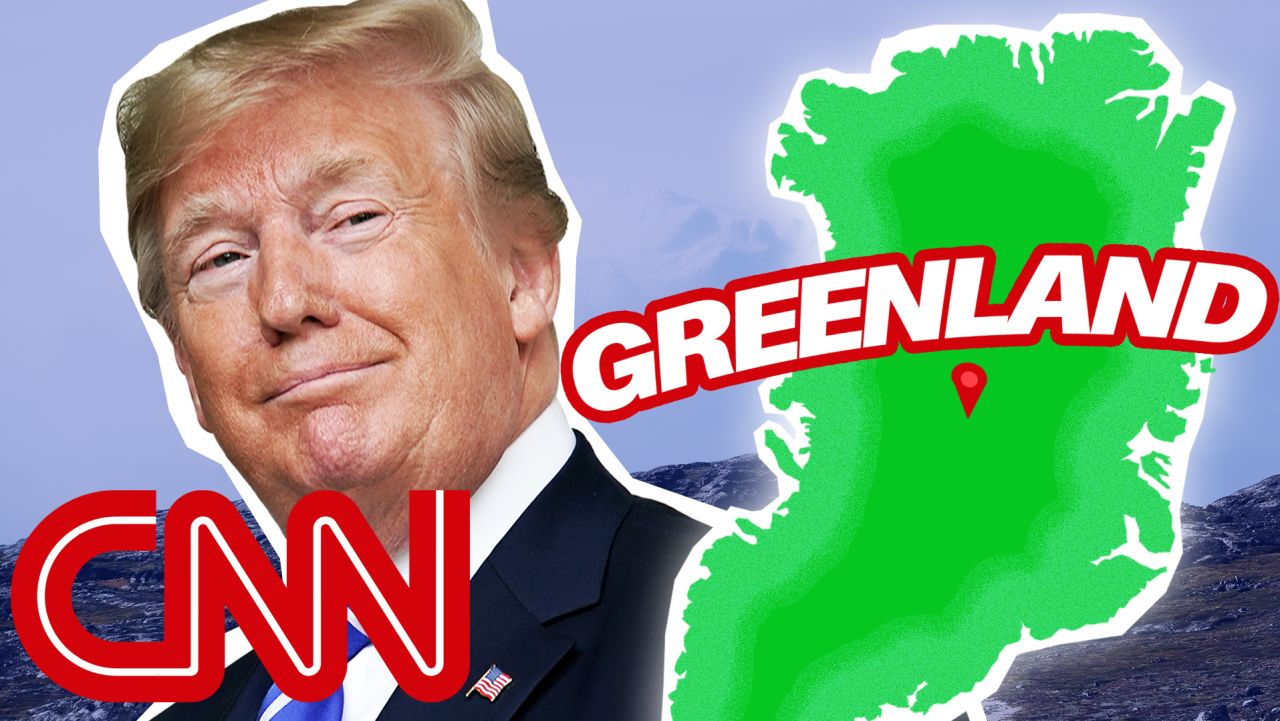
Donald Trump and Greenland: Power, Politics, and a Controversial Idea
In recent years, the relationship between Donald Trump and Greenland became a surprising topic of global conversation. The discussion reached its peak in 2019 when Trump publicly expressed interest in the United States purchasing Greenland from Denmark. While the idea was widely criticized and even mocked by some, it highlighted deeper geopolitical, economic, and strategic realities tied to the Arctic region.
Greenland, the world’s largest island, is an autonomous territory within the Kingdom of Denmark. Though sparsely populated, it holds enormous strategic value. Located between North America and Europe, Greenland sits in a key position for military defense, Arctic navigation, and global security. The United States has long recognized this importance, maintaining a military presence at Thule Air Base (now Pituffik Space Base) since World War II. From a strategic standpoint, Trump’s interest was not entirely new—America has considered acquiring Greenland multiple times throughout history.
Trump framed the idea largely as a business-style transaction, consistent with his background as a real estate developer. He viewed Greenland as a valuable asset rich in natural resources such as rare earth minerals, oil, gas, and fresh water. As climate change accelerates Arctic ice melt, these resources are becoming more accessible, increasing Greenland’s economic and geopolitical significance. Trump’s proposal reflected a broader U.S. concern about growing Russian and Chinese influence in the Arctic.
However, the reaction was swift and firm. Danish officials rejected the idea outright, stating that Greenland was “not for sale.” Greenland’s own leaders emphasized their desire for self-determination and future independence rather than becoming part of another nation. The controversy led to diplomatic tension, including Trump canceling a planned visit to Denmark after the proposal was dismissed.
Despite the backlash, the episode drew global attention to Greenland in ways rarely seen before. It sparked serious discussions about Arctic security, climate change, indigenous rights, and global competition for resources. Under Trump’s administration, the U.S. increased diplomatic engagement with Greenland, reopening a U.S. consulate in Nuuk and expanding economic cooperation—moves that continued even after the purchase idea faded.

In retrospect, Trump’s Greenland proposal can be seen less as a literal plan and more as a symbol of shifting global priorities. The Arctic is no longer a remote, frozen frontier; it is a central stage for future power struggles. While the idea of buying Greenland may have sounded unconventional, it underscored how climate change and global competition are reshaping international relations.
Ultimately, the Trump–Greenland episode reminds the world that geography still matters. As Arctic routes open and resources become accessible, Greenland’s importance will only grow—regardless of who occupies the White House.