Wilgens Sirise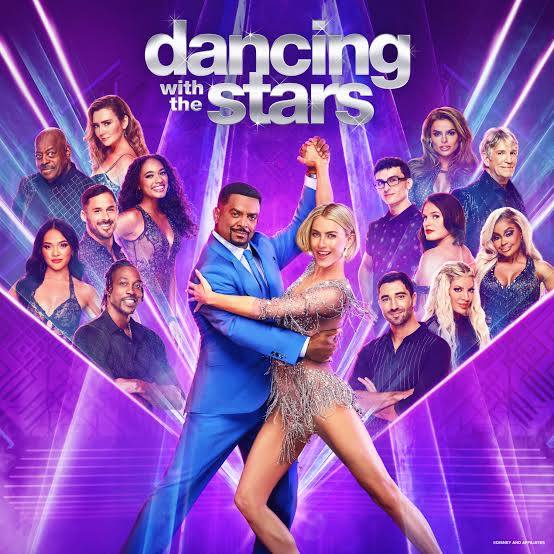
Television has always been a place where creativity meets audience excitement, but few shows have managed to capture hearts worldwide quite like Dancing with the Stars. Since its debut, this dazzling reality competition has been more than just a dance program—it has become a global phenomenon that combines celebrity culture, artistic performance, and the thrill of competition into one irresistible package.
What is Dancing with the Stars?
At its core, Dancing with the Stars is a dance competition that pairs celebrities from various backgrounds with professional ballroom dancers. The celebrities are not necessarily trained performers; they may be actors, athletes, musicians, reality TV personalities, or even public figures stepping into a dance studio for the very first time. The professional dancers, on the other hand, are highly skilled in ballroom and Latin dance styles. Together, each pair works tirelessly to learn new routines every week, which they then perform live in front of a panel of judges and millions of viewers at home.
The performances are judged on technique, creativity, and entertainment value. While judges provide their scores and critiques, the audience also plays a significant role. Fans vote for their favorite couples, ensuring that popularity and fan support carry as much weight as dance ability. This unique format creates suspense every week, as couples who might have technical skill can still risk elimination if they fail to win over the audience.
The Format and Structure
The show usually begins with a cast announcement that generates huge buzz in the media. Each season features a mix of personalities designed to appeal to different audiences. You might see a legendary athlete paired with a young pop star, or a soap opera actor dancing alongside a social media influencer. This blend of contestants guarantees that viewers will tune in for both the familiar faces and the surprising new favorites.
Each week is themed, adding extra excitement and variety. One week might focus on iconic movie soundtracks, another on Broadway musicals, and another on Latin dance styles. Couples perform routines like the cha-cha, tango, rumba, salsa, or contemporary dance. The costumes, stage design, and musical choices enhance the overall spectacle, making the show feel like a mix between a Broadway production and a sports event.
As the weeks progress, the difficulty of the dances increases. Contestants not only have to master steps but also learn to perform with charisma and emotional expression. Many celebrities describe the process as one of the most challenging experiences of their lives, requiring physical stamina, discipline, and resilience. By the finale, the remaining pairs compete for the coveted Mirrorball Trophy—a sparkling symbol of their hard work, dedication, and connection with the audience.
Entertainment Beyond Dance
While the dancing is the centerpiece, Dancing with the Stars is also about storytelling. Every week, short video packages show the rehearsal process, giving viewers a glimpse into the struggles and triumphs behind the scenes. We see celebrities pushing past injuries, battling nerves, and celebrating small victories. These personal moments make the show feel intimate and relatable, even while the live performances dazzle with glitter and glamour.
The judges also add to the entertainment factor. Their personalities range from strict and technical to warm and encouraging, ensuring that their comments are both educational and engaging. The hosts keep the energy flowing, often mixing humor with heartfelt support for the contestants. All of these elements combine to create a program that feels less like a simple competition and more like a celebration of perseverance and artistry.
Why It Works So Well
The success of Dancing with the Stars comes from its ability to blend different forms of entertainment into one seamless show. It appeals to fans of reality television, who enjoy the drama of eliminations and the unpredictability of weekly results. It also attracts those who love live performance, as the dance routines showcase professional artistry. And, of course, celebrity culture adds a major draw. Viewers are fascinated to see their favorite stars in a vulnerable position, stepping out of their comfort zones and trying something entirely new.
Another reason for the show’s popularity is its interactivity. By giving the audience power to vote, the show transforms viewers into active participants. Fans rally behind their favorites, creating online discussions, fan groups, and social media campaigns. This interaction keeps the program culturally relevant and ensures a loyal audience season after season.
A Celebration of Growth and Transformation
One of the most inspiring aspects of Dancing with the Stars is the transformation many celebrities undergo. Contestants often start with two left feet, nervous about embarrassing themselves on live television. Over time, however, they improve not only in skill but also in confidence. Viewers watch as shy personalities blossom into show-stopping performers. These journeys of growth resonate with audiences, who find themselves cheering just as hard for improvement as for perfection.
Dancing with the Stars is more than just a dance show. It is a unique entertainment experience that mixes competition, artistry, and storytelling in a way that keeps audiences captivated week after week. By bringing together celebrities, professional dancers, and passionate fans, it creates a cultural event where every season feels fresh and unpredictable. The glitter, the drama, the triumphs, and even the missteps all come together to remind us why live television can still bring people together in joy, suspense, and celebration.
At the end of the day, the magic of Dancing with the Stars lies in its universal message: with dedication, courage, and a little rhythm, anyone can step onto the dance floor and shine under the spotlight.
By ; Wilgens Sirise