Wilgens Sirise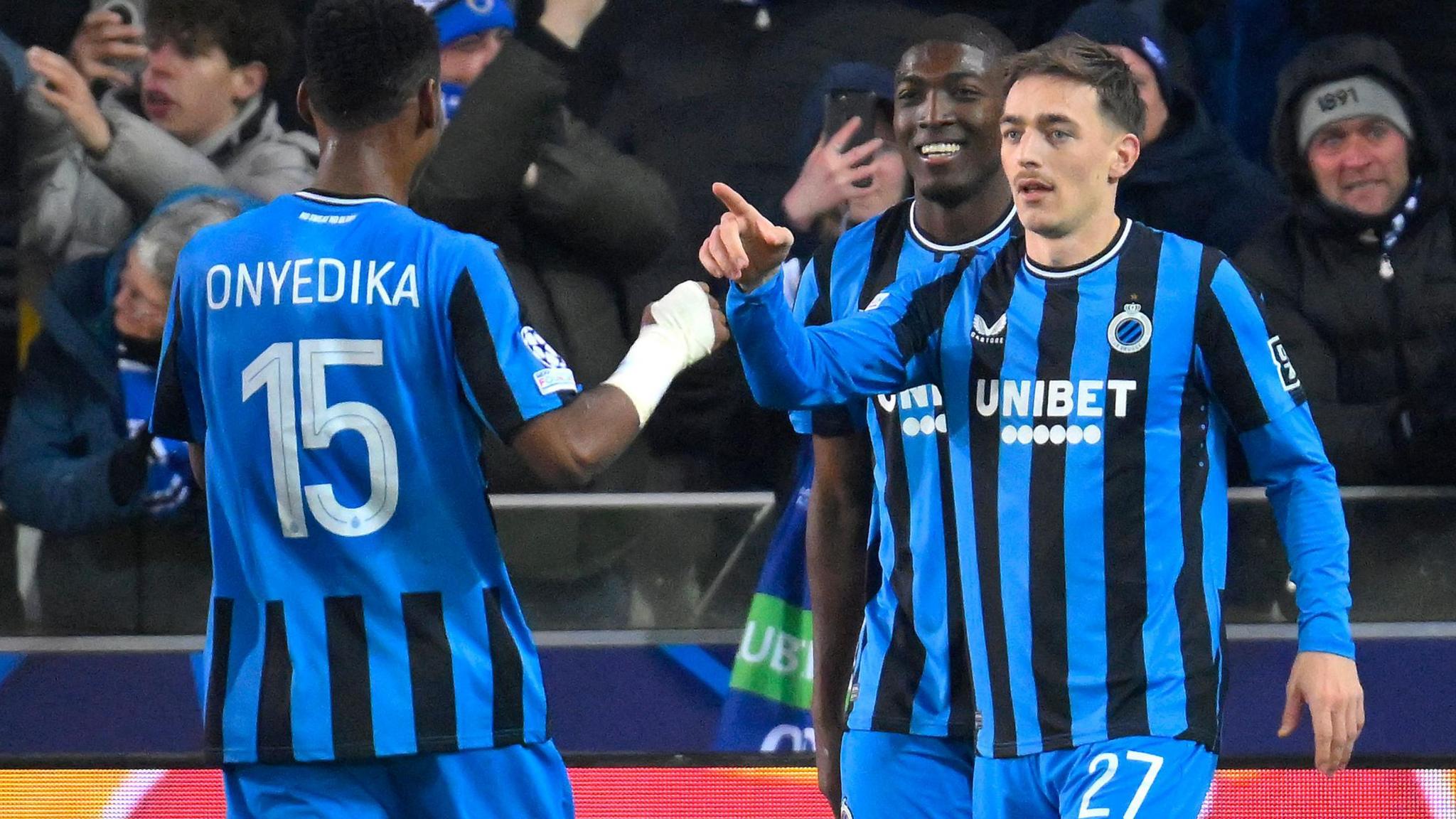
Club Brugge: Belgium’s Blue-Black Dynasty
In the heart of Flanders lies a football institution that has shaped Belgian soccer for over a century: Club Brugge Koninklijke Voetbalvereniging, better known simply as Club Brugge. With a history steeped in triumph, fierce rivalries, and European ambitions, the Blue-Black are more than just a football team—they are a cultural force and a symbol of a proud city.
Origins and Early Years
Founded in 1891, Club Brugge is among Belgium’s oldest football clubs. The team began as Brugsche Football Club, later merging with Vlaamsche Football Club in 1897 to form the entity recognized today. Initially, Club Brugge struggled to compete with early powerhouses like Royal Antwerp and Union Saint-Gilloise, but their determination laid the groundwork for future success.
By the 1920s, Club Brugge had earned promotion to the Belgian First Division, marking the start of a century-long presence in the country’s top flight. Though titles were elusive in the early years, their popularity in West Flanders grew steadily.
Domestic Success and Belgian Dominance
Club Brugge’s golden era began in the 1970s, a decade that transformed the club into a powerhouse. Under the leadership of coach Ernst Happel, Brugge captured three consecutive league titles from 1975 to 1978 and made waves in European competition.
The club has claimed 18 Belgian First Division titles, most recently in 2022. Alongside domestic triumphs, Club Brugge has won the Belgian Cup 11 times and the Belgian Super Cup 17 times—more than any other Belgian club. Their consistency at the top of the league has earned them a reputation for stability and professionalism.
While Belgium has produced several strong sides, including Anderlecht and Standard Liège, Club Brugge has set itself apart through sustained success. Even in seasons when other clubs faltered, Brugge often remained a fixture near the top.
European Ambitions
Though Belgian teams historically struggled to compete with Europe’s giants, Club Brugge achieved remarkable European runs. In 1978, they became the first—and so far only—Belgian club to reach the final of the European Cup (now the UEFA Champions League). Facing the mighty Liverpool, Brugge put up a spirited fight at Wembley, ultimately falling 1-0 to Bob Paisley’s side.
The club also reached the final of the UEFA Cup (now Europa League) in 1976, losing to Liverpool again. These campaigns remain a source of immense pride for Brugge supporters, demonstrating that Belgian clubs could compete with the continent’s elite.
In more recent years, Club Brugge has become a familiar name in the Champions League group stage, facing clubs like Real Madrid, Paris Saint-Germain, and Manchester City. Although advancing deep into the tournament has proven challenging, Brugge’s presence in Europe’s top competition underscores their ambition and financial stability.
The Jan Breydel Stadium and Matchday Culture
Club Brugge plays its home matches at the Jan Breydel Stadium, which it shares with city rivals Cercle Brugge. With a capacity of over 29,000, the stadium is renowned for its electric atmosphere, particularly during the Bruges derby and European nights.
Matchdays in Bruges are a spectacle: fans clad in blue and black fill the terraces, waving flags and chanting songs passed down through generations. The club’s passionate supporters have earned a reputation for loyalty, traveling across Europe to follow their team.
Rivalries and the Bruges Derby
Club Brugge’s rivalry with Cercle Brugge is one of Belgium’s most storied derbies. Known as the Bruges Derby, it reflects more than a football rivalry—it’s a clash of identity and tradition. While Cercle fans often see themselves as the original club of the city, Club Brugge supporters proudly point to their trophies and broader fanbase as evidence of their preeminence.
The rivalry with Anderlecht, Belgium’s most successful club historically, is also fierce. Matches between Club Brugge and Anderlecht often determine title races and attract national attention.
Youth Development and Player Sales
Club Brugge has established a respected youth academy that develops homegrown talents while also scouting promising players from across Europe and Africa. The club has produced stars such as Jean-Pierre Papin (who later won the Ballon d’Or) and Thomas Meunier, who went on to play for Paris Saint-Germain and Borussia Dortmund.
In recent years, Brugge has become adept at recruiting young prospects, developing them, and selling them to larger clubs in Europe. This sustainable model has helped the club remain financially healthy without compromising competitiveness.
Modern Era and Ambitions
Today, Club Brugge is led by a professional board and backed by strong commercial partnerships. Under recent managers, including Philippe Clement and Carl Hoefkens, the team has continued to win domestic titles and qualify regularly for European competition.
While financial disparity with Europe’s wealthiest clubs remains a challenge, Brugge aims to be a consistent presence in UEFA tournaments, showcasing Belgian football talent on the global stage.
Conclusion
From humble beginnings in the 19th century to the heights of European finals, Club Brugge embodies the spirit of Belgian football. With an unmatched record of consistency, a passionate fanbase, and a commitment to growth, the Blue-Black remain a beacon of pride for the city of Bruges and an enduring force in Belgian sport.
As the club looks to the future, its supporters believe the best chapters are still to come—both in Belgium and across Europe.