Wilgens Sirise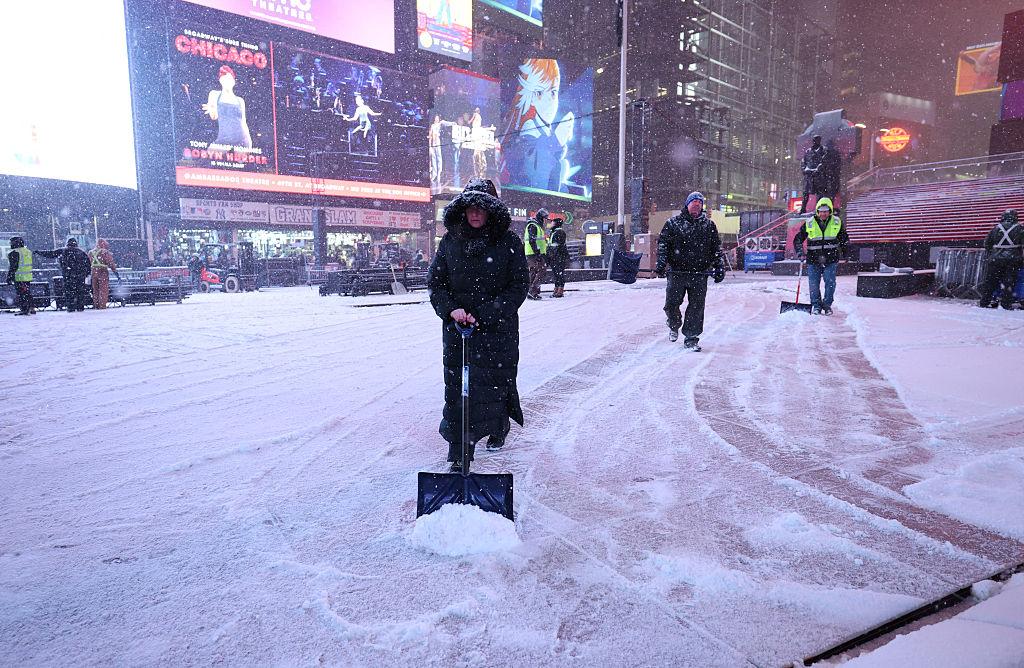


Blizzard Warning for NYC: Major Winter Storm Threatens Travel, Power, and Daily Life
New York City is bracing for a powerful winter storm as meteorologists issue a blizzard warning, signaling one of the most dangerous types of winter weather conditions. With heavy snowfall, strong winds, and near-zero visibility expected, officials are urging residents to prepare immediately for what could become a major disruption across the region.
The National Weather Service defines a blizzard as a storm producing sustained winds of 35 mph or higher, combined with blowing or falling snow that reduces visibility to a quarter mile or less for at least three hours. Forecasters warn that these conditions could create whiteout situations, making travel extremely dangerous or even impossible.
What to Expect in New York City
Weather models show the storm could bring 6 to 12 inches of snow, with higher totals possible in some areas of the metro region. Winds may gust over 40 mph, leading to drifting snow, slippery roads, and potential power outages.
The storm is expected to impact the city during peak commuting hours, raising concerns about major delays across subways, buses, airports, and highways. Airlines have already begun issuing travel advisories, and passengers are encouraged to check flight status before heading to the airport.
City officials are also preparing snowplows, salt trucks, and emergency crews to keep major roads and bridges operational.
Schools, Businesses, and Transportation at Risk
Blizzard conditions often force widespread closures. School districts are monitoring the storm closely, and some may shift to remote learning if conditions worsen. Businesses are also preparing for possible reduced operations, especially if employees cannot safely commute.
Public transportation could experience delays or temporary service suspensions if visibility drops or tracks become blocked by snow and ice.
Officials are encouraging residents to work from home if possible and avoid unnecessary travel once the storm begins.
Safety Tips for Residents
Emergency management agencies are urging New Yorkers to prepare before conditions deteriorate:
- Stock up on food, water, and essential supplies
- Charge phones and backup batteries
- Keep flashlights and emergency kits ready
- Avoid driving unless absolutely necessary
- Dress in layers if you must go outside
Residents should also check on elderly neighbors and family members who may need assistance during the storm.
Why This Storm Is Getting So Much Attention
Blizzard warnings are relatively rare for New York City compared to regular winter storm alerts. The combination of heavy snowfall, strong winds, and dangerous visibility is what makes this system particularly concerning.
Meteorologists say rapidly intensifying winter storms—sometimes called “bomb cyclones”—have become more common in recent years, increasing the risk of severe winter weather events in the Northeast.
Social media is already buzzing as residents share preparation tips, grocery store crowds, and weather updates. For many New Yorkers, memories of past major storms like the Blizzard of 2016 are adding to the sense of urgency.
The Bottom Line
This storm has the potential to significantly impact daily life across New York City. Officials stress that preparation is key and that residents should take the blizzard warning seriously.
As conditions develop, New Yorkers are encouraged to monitor official weather updates and follow emergency guidance. With the right preparation and caution, the city can weather the storm safely—even as winter delivers one of its most powerful reminders yet.